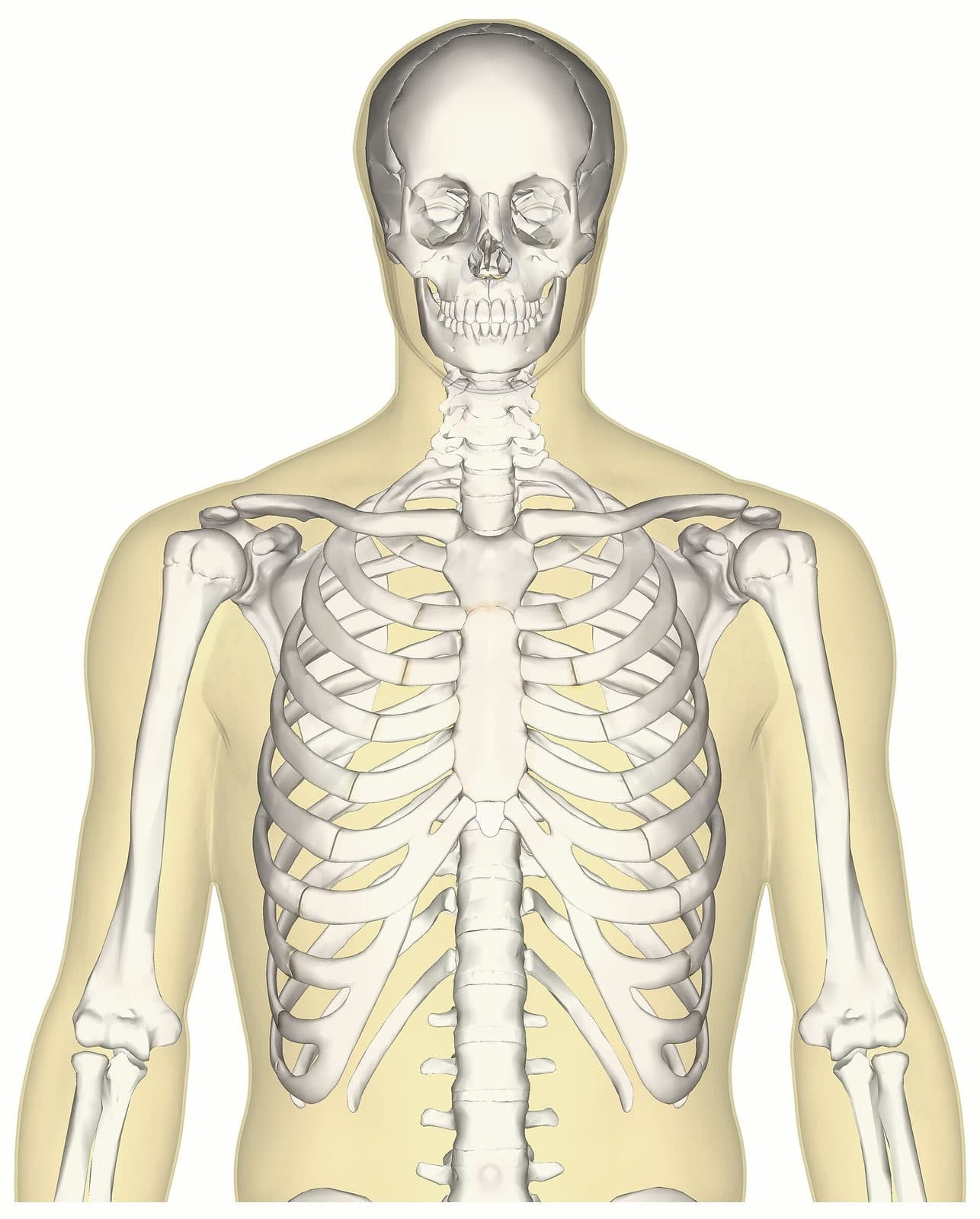
The most mobile joint in the human body, built on soft-tissue stability. Rotator cuff, capsular, and instability conditions dominate its pathology.
A self-limiting but prolonged inflammatory and fibrotic contracture of the glenohumeral capsule producing marked pain and loss of motion.
Recurrent or symptomatic anterior translation of the humeral head from the glenoid, typically following a traumatic dislocation in a young patient.
Degenerative cartilage loss in the glenohumeral joint causing progressive pain and stiffness, often with characteristic posterior glenoid erosion.
Partial or full-thickness disruption of one or more rotator cuff tendons, most commonly supraspinatus, driven by age-related degeneration and mechanical factors.
Superior labral anterior-posterior injury of the glenoid, seen in throwers and after traction or compression injuries, producing deep shoulder pain and catching.
A spectrum of shoulder pain attributed to mechanical or functional impingement of the rotator cuff beneath the coracoacromial arch, now understood as part of rotator cuff disease.