Subacromial Impingement Syndrome
A spectrum of shoulder pain attributed to mechanical or functional impingement of the rotator cuff beneath the coracoacromial arch, now understood as part of rotator cuff disease.
Overview
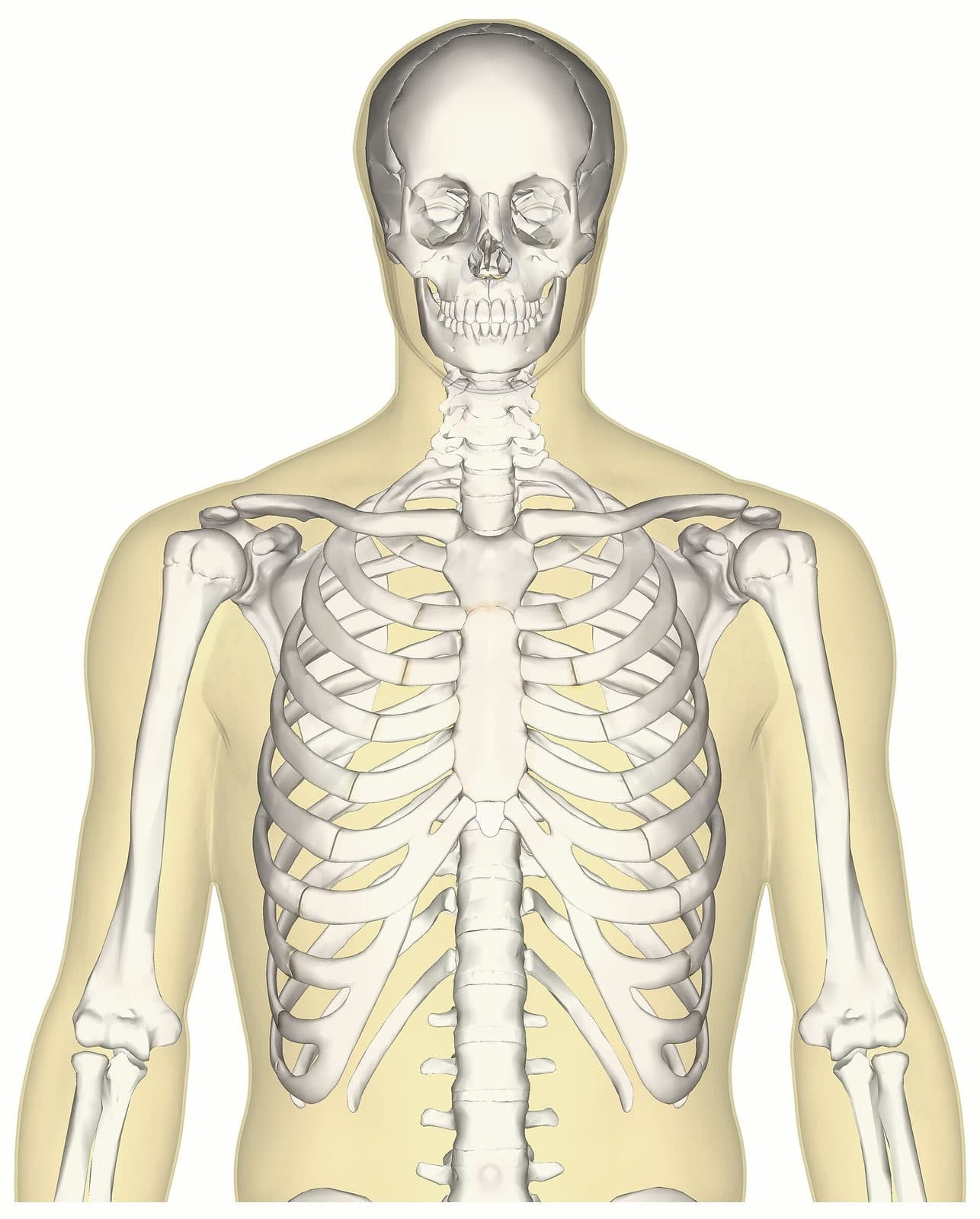
Subacromial impingement syndrome (SIS) describes pain and dysfunction caused by contact between the rotator cuff and the coracoacromial arch. Contemporary understanding places SIS on a continuum with rotator cuff tendinopathy, partial tear, and full-thickness tear rather than as a discrete entity. Contributing factors include acromial morphology, scapular dyskinesis, glenohumeral instability, and intrinsic tendon degeneration.
Epidemiology
Shoulder pain has an annual incidence of 15 to 25 per 1000 in primary care, and impingement-type pain represents the majority of presentations. Peak incidence is between 40 and 60 years, with overhead athletes and manual workers disproportionately affected.
Symptoms
Lateral and anterior shoulder pain with overhead activity, night pain when lying on the affected side, and a painful arc between 60 and 120 degrees of abduction. Positive Neer and Hawkins-Kennedy impingement signs are characteristic. Rotator cuff strength testing helps exclude concomitant tear.