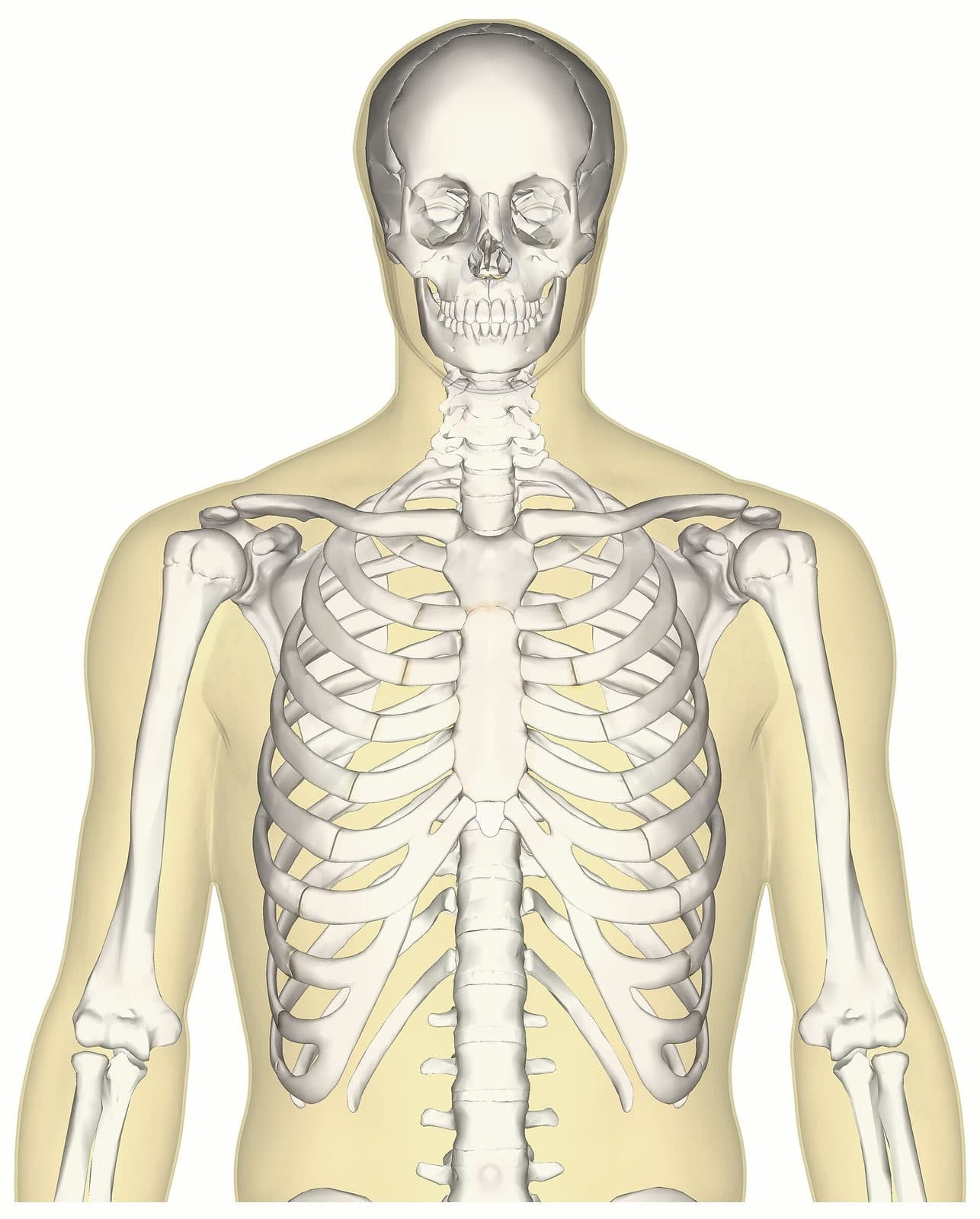
Glenohumeral Osteoarthritis
Degenerative cartilage loss in the glenohumeral joint causing progressive pain and stiffness, often with characteristic posterior glenoid erosion.
Overview
Glenohumeral osteoarthritis may be primary or secondary to trauma, instability, chronic rotator cuff disease, avascular necrosis, or inflammatory arthropathy. Primary OA characteristically produces posterior glenoid wear, posterior humeral subluxation, and inferior humeral osteophytes. Advanced disease causes substantial functional limitation.
Epidemiology
Radiographic glenohumeral OA is present in 4 to 30 percent of adults over 60, and symptomatic disease is less common than in the hip or knee. The prevalence of shoulder arthroplasty has grown rapidly in recent decades, driven by expanded indications for anatomic and reverse designs.
Symptoms
Patients describe deep posterior shoulder pain, night pain, loss of external rotation, and progressive functional decline. Crepitus and grinding on motion are common. Stiffness may precede or accompany pain and may mimic adhesive capsulitis in early disease.