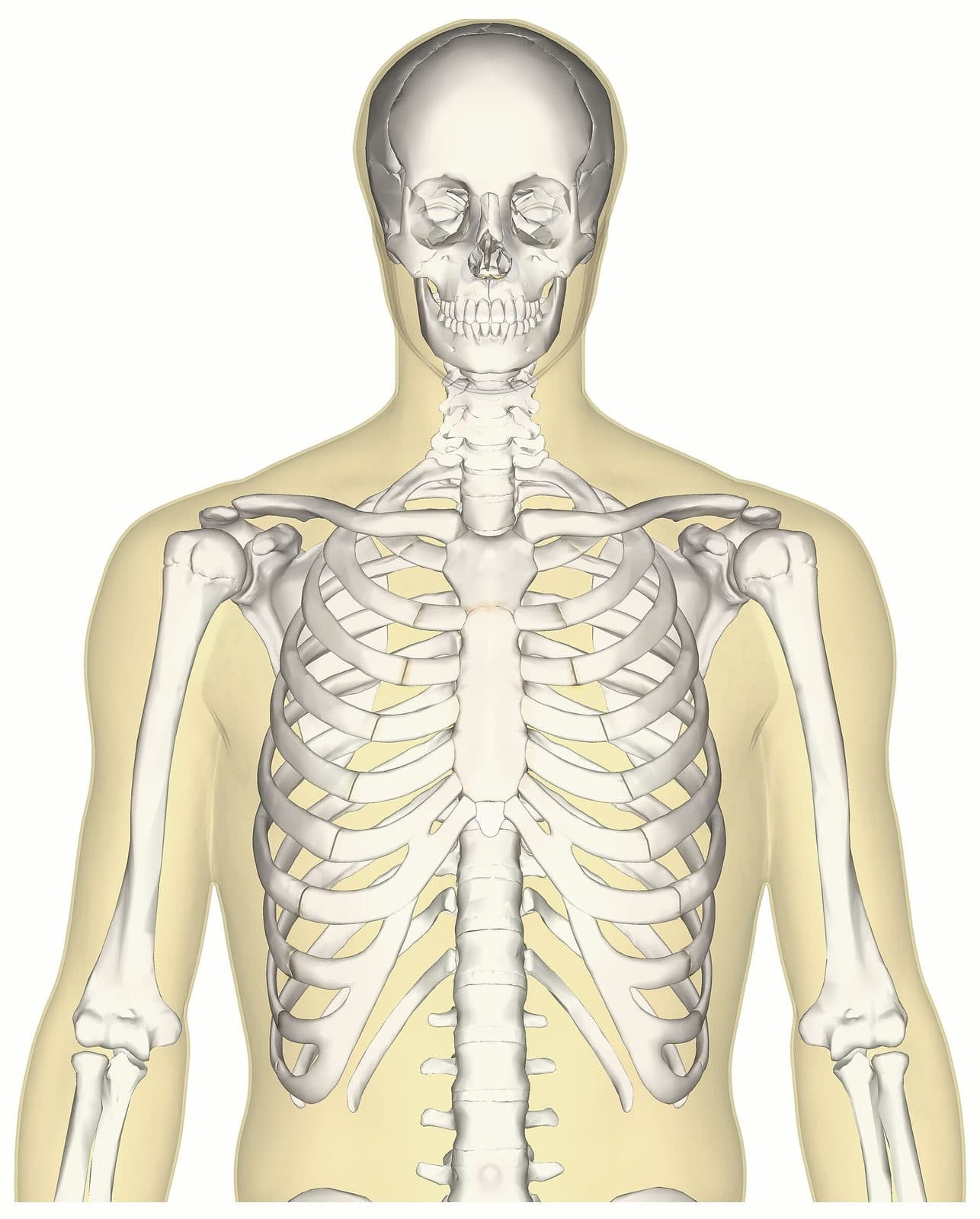
SLAP Tear
Superior labral anterior-posterior injury of the glenoid, seen in throwers and after traction or compression injuries, producing deep shoulder pain and catching.
Overview
SLAP tears involve the superior labrum at the origin of the long head of biceps. Mechanisms include traction, compression from a fall on an outstretched hand, and repetitive overhead loading in throwing athletes. The peel-back phenomenon and internal impingement are implicated in the throwing shoulder. Degenerative changes are increasingly recognised in older patients.
Epidemiology
SLAP tears are found in around 6 percent of shoulder arthroscopies. Peak incidence is in overhead athletes between 20 and 40 years, although they are also reported in older patients alongside rotator cuff disease.
Symptoms
Deep shoulder pain with overhead activity, loss of throwing velocity, and mechanical catching or popping. Examination manoeuvres include O'Brien's active compression test, the biceps load test, and the dynamic labral shear test; no single test is definitive and diagnostic accuracy of clinical tests is modest.