Greater Trochanteric Pain Syndrome
Lateral hip pain arising from gluteal tendinopathy, tears, or trochanteric bursitis; now recognised as a tendinopathic rather than purely bursal disorder.
Overview
Greater trochanteric pain syndrome (GTPS) is a common cause of lateral hip pain historically attributed to trochanteric bursitis but now recognised as most often a gluteus medius and minimus tendinopathy with or without tears. Mechanical factors include hip abductor weakness, pelvic instability, and altered iliotibial band loading.
Epidemiology
Estimated prevalence is 10 to 25 percent in the general population, peaking in the fifth and sixth decades, with women affected two to four times as often as men. It is a frequent cause of persistent lateral hip pain after total hip arthroplasty.
Symptoms
Lateral hip pain worse with lying on the affected side, walking, and climbing stairs. Focal tenderness over the greater trochanter is characteristic. Single-leg stance pain at 30 seconds is a sensitive clinical test. A Trendelenburg sign suggests tendon tear.
Imaging
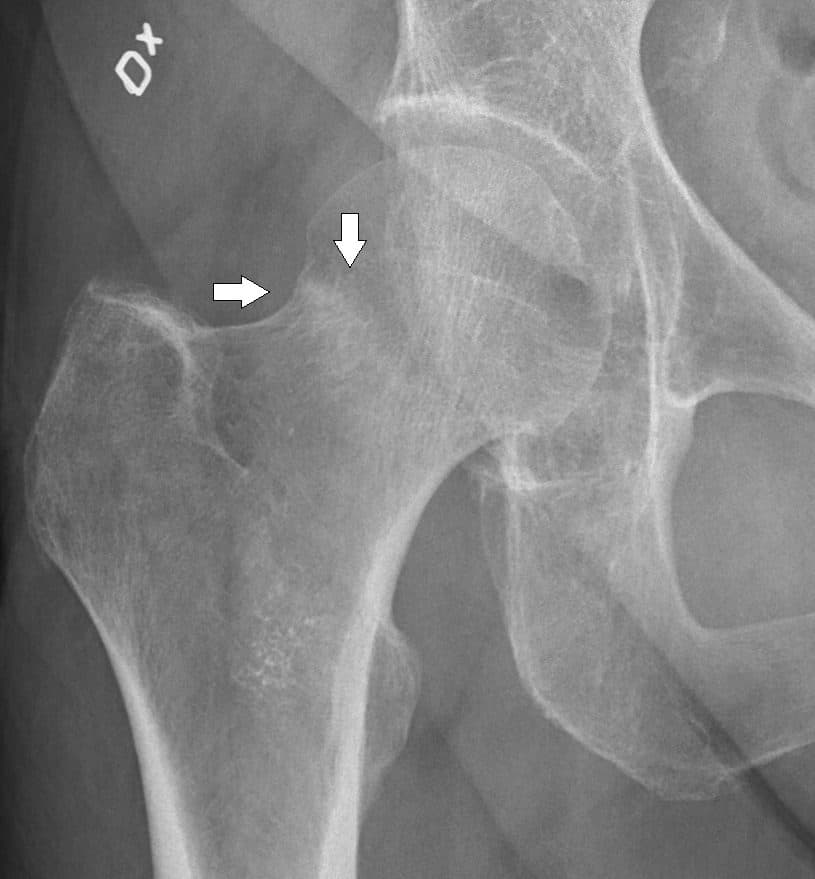
Plain radiographs exclude osteoarthritis and bony abnormality. Ultrasound and MRI are the principal imaging tools for tendon pathology, demonstrating tendinopathy, partial or full-thickness tears, and peritendinous fluid. MRI is preferred when surgical intervention is contemplated.