Developmental Dysplasia of the Hip
A spectrum of abnormal acetabular and femoral development ranging from mild instability in infancy to frank dislocation and adult dysplastic arthritis.
Overview
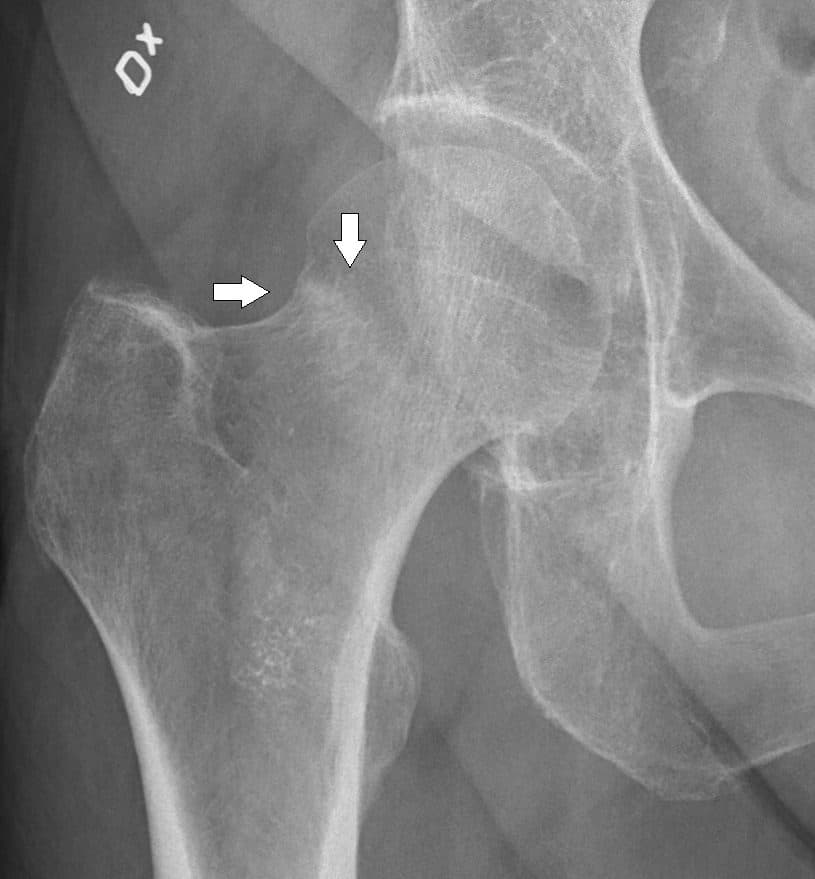
Developmental dysplasia of the hip (DDH) encompasses a continuum from mild acetabular shallowness to complete dislocation. Undetected, DDH is the leading identifiable cause of premature hip osteoarthritis in young adults, particularly women. Early detection and treatment give excellent outcomes; delayed diagnosis complicates management significantly.
Epidemiology
Neonatal instability affects 1 to 3 per 100 infants; true dislocation is rarer at about 1 to 2 per 1000 live births. Risk factors include female sex, first pregnancy, breech presentation, family history, and oligohydramnios. Swaddling practices and genetic factors contribute to geographical variation.
Symptoms
In the neonate, Ortolani and Barlow tests detect instability. Beyond three months, limitation of abduction, asymmetric thigh folds, Galeazzi sign, and limp in the ambulant child become predominant. Adolescents and adults with residual dysplasia present with activity-related groin or lateral hip pain and labral tears.