Lumbar Spondylolisthesis
Slippage of one vertebral body on another, typically at L4-5 (degenerative) or L5-S1 (isthmic), producing back pain, radiculopathy, or neurogenic claudication.
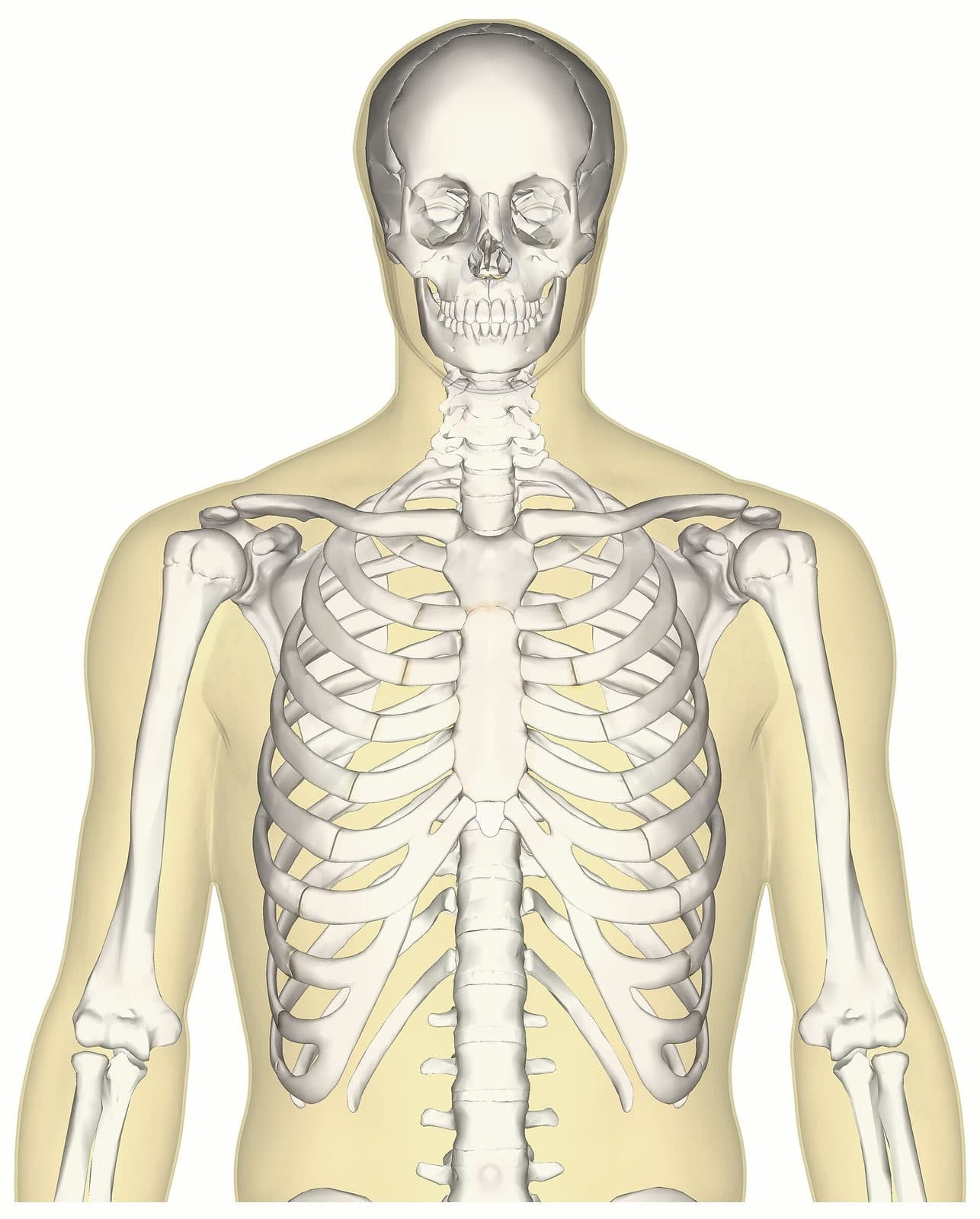
Overview
Spondylolisthesis denotes anterior (or rarely posterior) translation of one vertebra on the vertebra below. Isthmic spondylolisthesis results from a pars interarticularis defect and most commonly affects L5-S1 in adolescents and young adults, while degenerative spondylolisthesis arises from facet arthropathy and disc degeneration, most often at L4-5 in older adults.
Epidemiology
Isthmic spondylolisthesis is present in 4 to 6 percent of the population. Degenerative spondylolisthesis affects up to 10 percent of women over 60 and is five times more common in females than males.
Symptoms
Mechanical low back pain, buttock and posterior thigh pain, and features of neurogenic claudication or radiculopathy. Examination may reveal a palpable step-off, tight hamstrings, and positive neurological signs corresponding to the compressed root.
Imaging
Standing lateral radiographs are essential, with flexion-extension views assessing dynamic instability. MRI characterises neural compression and disc pathology; CT defines the pars defect and bony anatomy. Upright imaging is particularly important, as slips may reduce when supine.