Adolescent Idiopathic Scoliosis
A three-dimensional deformity of the growing spine of unknown cause, characterised by lateral curvature and vertebral rotation during adolescence.
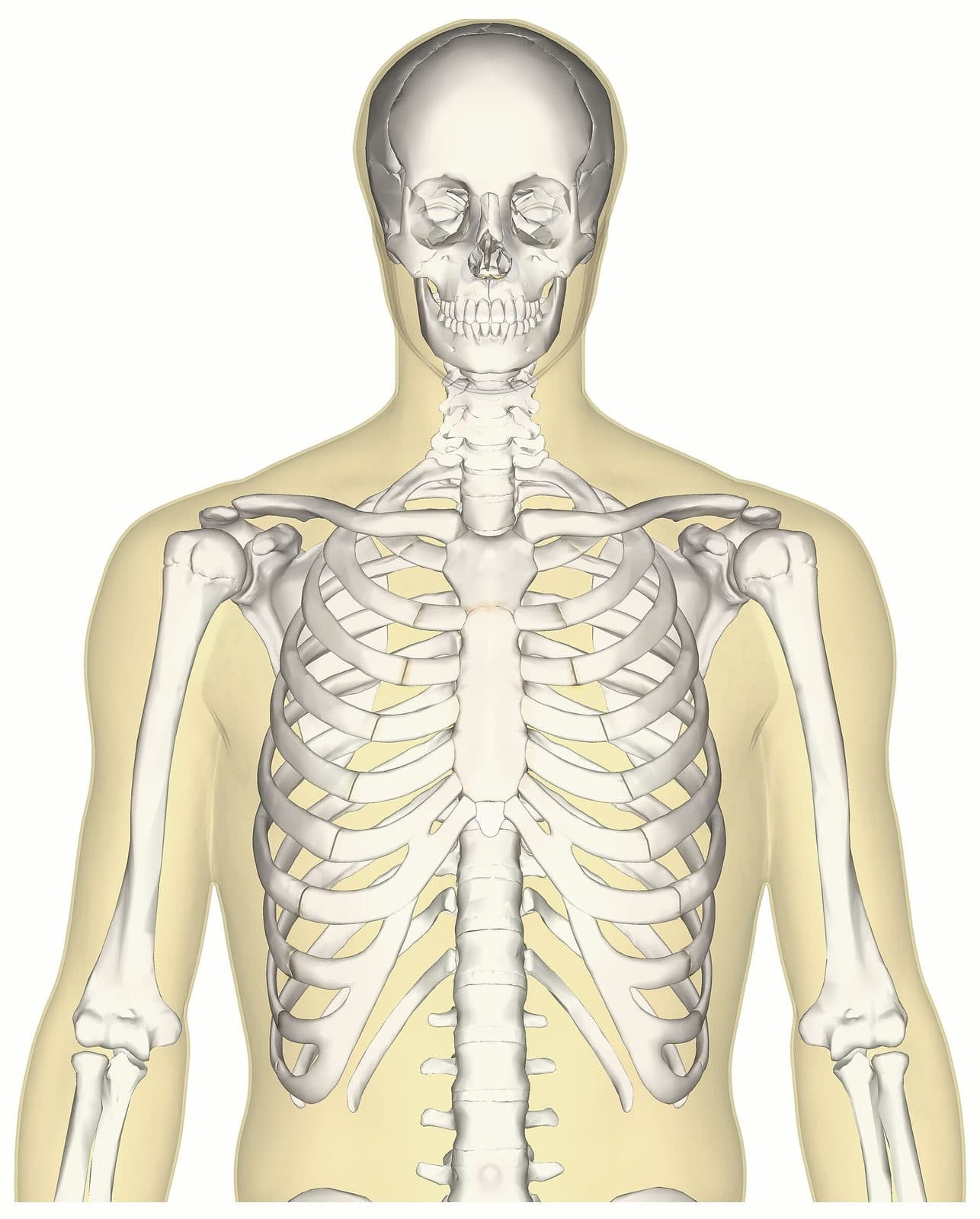
Overview
Adolescent idiopathic scoliosis (AIS) is defined as a lateral spinal curvature of 10 degrees or more in an otherwise healthy adolescent. It is three-dimensional, with coupled rotation producing rib prominence. Cause is unknown but genetic, neurohormonal, biomechanical, and growth-related factors are implicated.
Epidemiology
Prevalence is around 2 to 3 percent of adolescents, with girls disproportionately affected by progressive curves requiring treatment (female:male ratio 7:1 for curves >30 degrees). Progression risk is greatest during the pubertal growth spurt.
Symptoms
Most adolescents are asymptomatic. Deformity is detected on school or clinical screening (Adam's forward bend test, rib prominence measured with a scoliometer). Pain is unusual and, when present, prompts evaluation for secondary causes. Neurological examination is always performed to screen for underlying pathology.