Cervical Spondylotic Myelopathy
Degenerative narrowing of the cervical canal producing chronic spinal cord compression and progressive neurological dysfunction.
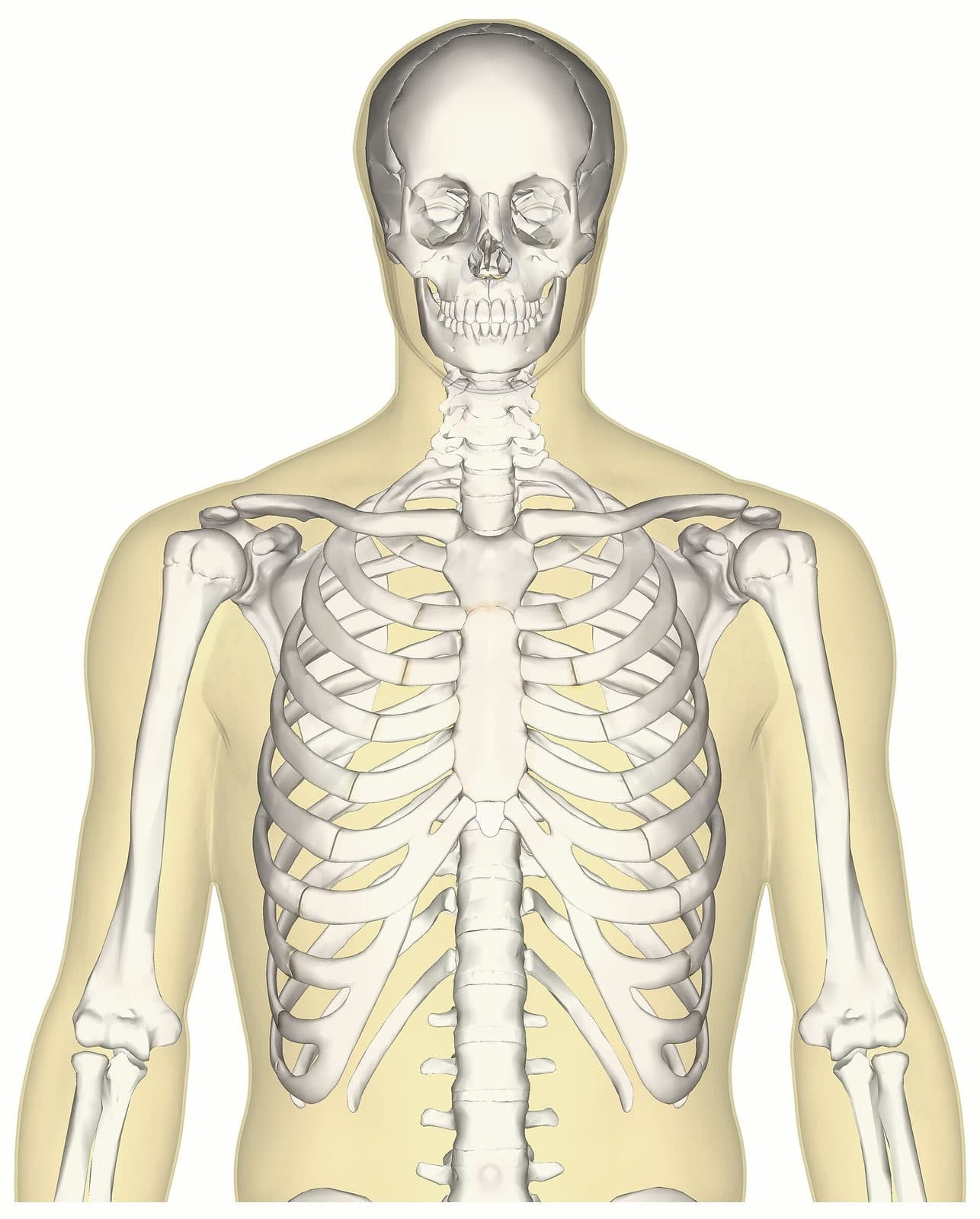
Overview
Cervical spondylotic myelopathy (CSM) is the most common cause of spinal cord dysfunction in adults over 55. Degenerative changes including disc collapse, uncovertebral and facet hypertrophy, ligamentum flavum infolding, and posterior longitudinal ligament ossification compromise the cervical canal, causing direct mechanical injury and secondary vascular ischaemia to the cord.
Epidemiology
Prevalence rises with age; radiographic stenosis is present in a substantial minority of asymptomatic older adults, but symptomatic CSM is less common. It is the leading non-traumatic cause of spinal cord injury worldwide.
Symptoms
Patients typically present with insidious hand clumsiness, gait imbalance, and upper motor neuron signs (hyperreflexia, Hoffmann, Babinski, clonus). Pain is variable and often absent. Lhermitte phenomenon, sphincter disturbance, and falls occur in advanced disease. The modified Japanese Orthopaedic Association (mJOA) score quantifies severity.