Patellofemoral Pain Syndrome
A common cause of anterior knee pain, particularly in young active patients, arising from altered patellofemoral joint loading without a single discrete structural lesion.
Overview
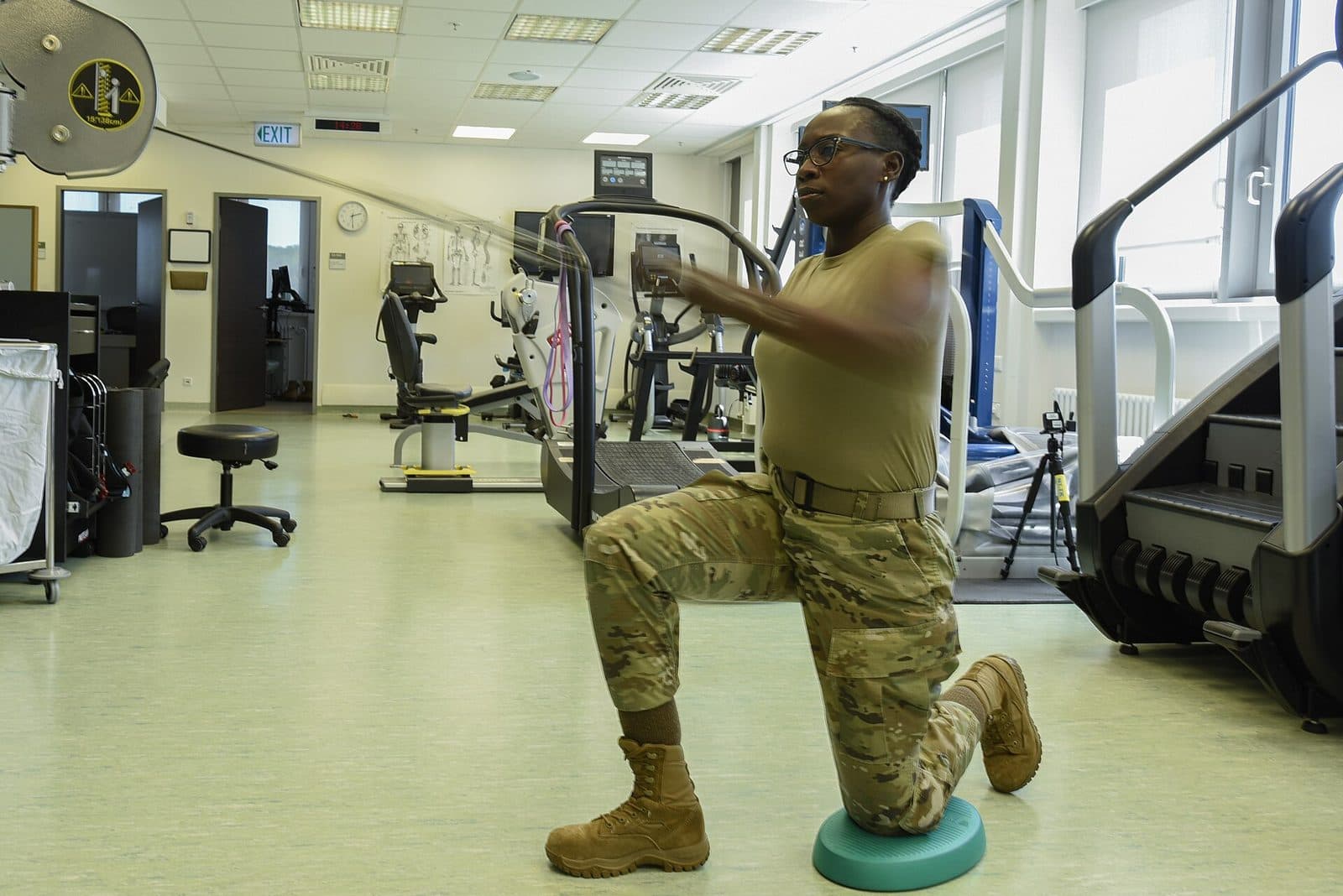
Patellofemoral pain syndrome (PFPS) describes anterior or retropatellar knee pain aggravated by activities that load the patellofemoral joint, such as stair climbing, squatting, and prolonged sitting. The aetiology is multifactorial and includes malalignment, dynamic valgus from proximal weakness, vastus medialis obliquus insufficiency, soft-tissue tightness, and overuse. No single pathoanatomic lesion is consistently identified, and PFPS is best conceptualised as a syndrome of altered load distribution.
Epidemiology
PFPS is one of the most common musculoskeletal presentations in adolescents and young adults, with prevalence estimates of 15 to 25 percent in athletic and military populations. Females are affected roughly twice as often as males, likely reflecting differences in pelvic width, dynamic knee valgus, and hip abductor strength.
Symptoms
Patients describe diffuse anterior or peripatellar pain, the classic theatre sign of pain after prolonged sitting, and pain descending stairs. Examination reveals pain on patellar compression, occasional crepitus, and dynamic valgus during single-leg squat. Effusion and mechanical symptoms are characteristically absent.