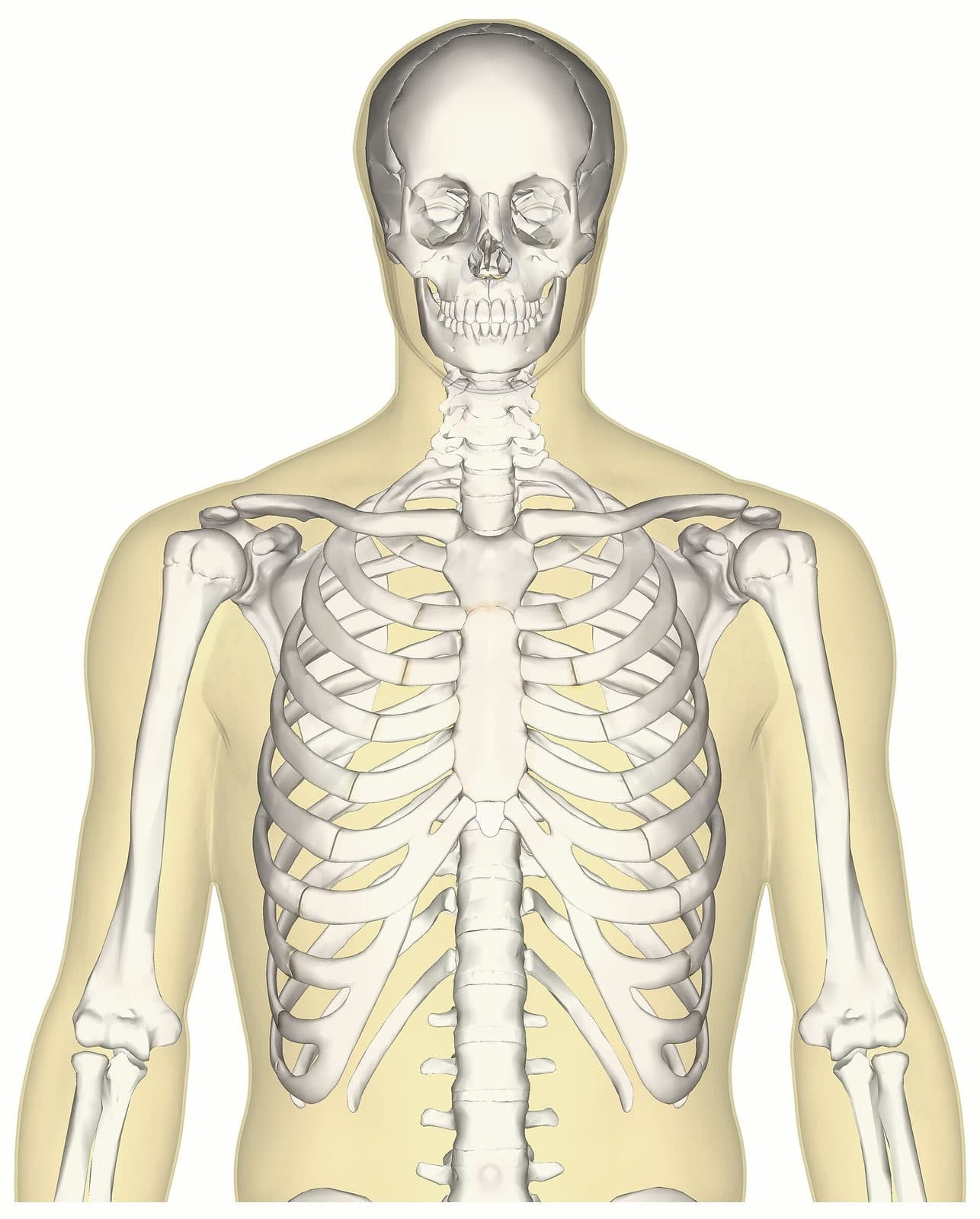
Knee Osteoarthritis
Progressive loss of articular cartilage with associated subchondral bone, capsular, and periarticular changes, producing pain, stiffness, and functional decline.
Overview
Knee osteoarthritis is a whole-joint disease involving articular cartilage loss, subchondral bone remodelling, meniscal degeneration, osteophyte formation, and low-grade synovitis. It is the leading cause of lower-limb disability in older adults and a major driver of orthopaedic surgical volume worldwide.
Epidemiology
Radiographic knee OA is present in 19 percent of adults over 45 in Western populations, with symptomatic disease in 7 percent. Risk factors include age, female sex, obesity, prior meniscal or ligamentous injury, occupational kneeling, and malalignment. The disease accounts for around 2 percent of global years lived with disability.
Symptoms
Activity-related pain, morning stiffness of short duration, crepitus, and progressive functional limitation are characteristic. Rest and night pain indicate advanced disease. Examination reveals effusion, tenderness, reduced range, and often varus deformity with medial compartment disease.