TraumaPatient education
Complex trauma treatment: what to expect
Once a�complex trauma injury�has been assessed, it will need to be treated. Surgery may not always be required, but sometimes it is the only option
Published
3 June 2024
Reading time
4 min
Words
869
Sections
4

Written by:'
Once a'complex trauma injury'has been assessed, it will need to be treated. Surgery may not always be required, but sometimes it is the only option. Highly experienced consultant orthopaedic surgeon'Professor Mohamed Imam'enlightens us on what to expect for complex trauma treatment in this final article'of his'complex trauma series.
How are they treated typically? What is the most effective form of treatment?
The priorities in orthopaedics are obvious; first,'save the life then save a limb. Orthopaedic injuries in patients with polytrauma present unique diagnostic and therapeutic challenges. Multiply injured patients can follow numerous, often unpredictable, clinical trajectories and continuous re-evaluation of the patient's physiology is critical to guiding treatment. The evaluation and treatment of multiply injured patients requires a coordinated,'multidisciplinary approach. Patients with multiple-system injury and unstable fractures are managed best in a collaborative fashion.How are complex trauma fractures treated?
The management of'fractures'has improved considerably with excellent outcomes over the last few decades. These excellent outcomes can be obtained through early intervention by staying relatively active whilst keeping the fractured'segment immobilised and subsequent rehabilitation to increase strength and range of motion. Bespoke rehabilitation for each fracture based on patient and fracture characteristics are crucial for optimising the outcomes and to restore previous pre-injury levels. A collaborative'multidisciplinary team'(MDT) approach led by surgeons, anaesthetists, physiotherapist, occupational therapists, pain specialists, and patients themselves will ultimately lead to return to pre-injury activities of daily living, leisure, sport, and work. A surgeon decides how to treat a fracture based on a number of factors. These include: '''''''''' age '''''''''' medical history '''''''''' type of fracture '''''''''' surgical expertise The main goal in treating a fracture is to reduce the amount of pain patients are having in while giving you as much mobility as possible and allow to resume full range of motion and activity to pre-injury level.What are the different treatment options for complex fractures?
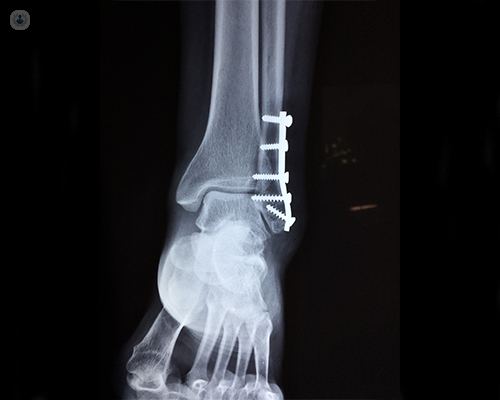
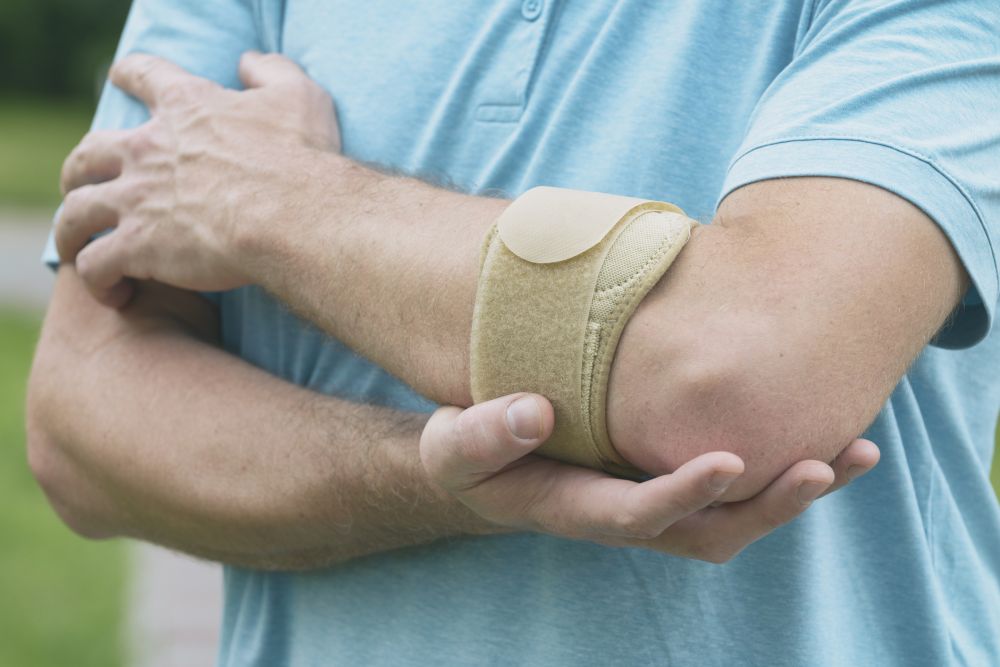
There are two categories of treatment options. Bracing or casting Once bones have been repositioned, a cast made of plastic or fibreglass can be placed over the injured area. A brace works the same as a cast but allowing more mobility in nearby joints. This can't be used in all fractures, especially more severe ones. Pins, screws, and plates This type of treatment requires an operation. First, the bones and fragments are repositioned and realigned. Pins, screws, and/or metal plates are then inserted in a fashion to help hold bones in place during healing.