Introduction
Cumulative trauma disorder (CTD) is a broad term that encompasses various
soft tissue conditions caused or aggravated by repetitive strain. While CTD itself is
not a disease, doctors use the term to help explain potential contributing factors for conditions such as:
?
Carpal tunnel syndrome
?
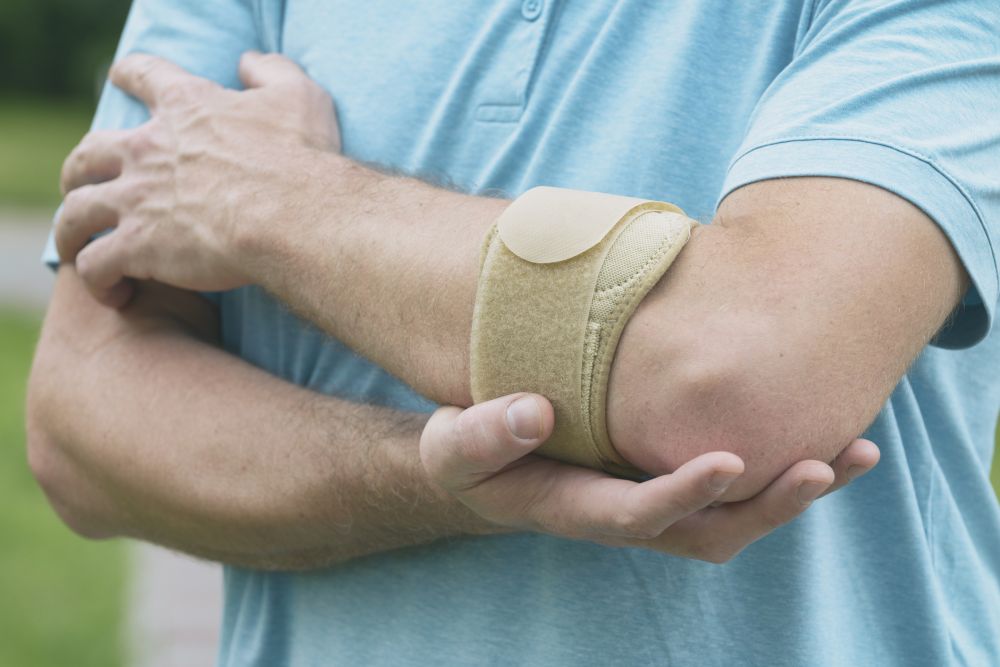
Tennis elbow
?
Low back pain
Other commonly used terms for CTD include:
- Repetitive stress injury (RSI)
- Overuse strain (OS)
- Occupational overuse syndrome (OOS)
Throughout this guide, the term
CTD will be used to
refer to all these conditions collectively.
This Guide Will Help You Understand:
? What factors contribute to CTD
? How doctors diagnose CTD-related conditions
? Available treatment options
? Ways to prevent CTD
Causes of CTD
What Causes CTD?
There is no single universally accepted cause of CTD, but
several theories attempt to explain how it develops. These theories include:
?
Overuse
?
Muscle tension
?
Nerve tension
?
Psychosocial factors
?
Mind-body interaction
?
Contributing environmental and occupational factors
Theories of CTD Development
Overuse
When muscles and joints are repeatedly
used without adequate recovery, they become fatigued and prone to injury. This is common among:
?
Athletes who throw, jump, or run repeatedly
?
Workers who engage in repetitive tasks such as typing, gripping, or lifting
Since all
body tissues undergo continuous wear and repair, excessive use can
overwhelm the body's natural healing mechanisms. When this happens:
?
Tissues weaken, leading to pain and increased vulnerability to further damage
?
A cycle of deterioration begins, causing progressively worsening symptoms
Muscle Tension
Some medical experts believe
persistent muscle tension contributes to CTD.
?
Restricted blood flow to muscles deprives them of essential nutrients and oxygen.
? Muscles can
generate energy without oxygen, but this process produces
lactic acid, which causes pain.
?
Tense muscles create more lactic acid, increasing discomfort and leading to a
pain-spasm cycle.
As pain develops, muscles involuntarily
tighten (guarding reflex) to protect the affected area. This further restricts blood flow and
exacerbates symptoms, potentially leading to:
?
Chronic muscle tightness
?
Numbness or tingling in affected areas
Nerve Tension
This theory suggests that
nerves become irritated and shortened due to poor posture and repetitive strain.
?
Poor posture causes
muscles to bulk up, restricting blood flow.
?
Nerves become shortened, reducing mobility and causing pain when the affected limb moves.
? Stress and repetitive activities further
tighten nerves, making symptoms
chronic.
This process can result in
radiating pain, tingling, or numbness along the affected limb.
Psychosocial Factors
CTD is
more common in individuals experiencing:
?
Boredom at work
?
Poor working relationships
?
Job dissatisfaction
?
Stressful social circumstances
Studies suggest
workplace compensation policies may also influence reported CTD cases.
Employees in states with faster claim processing and better benefits tend to report more CTD cases.
This suggests that
CTD symptoms may sometimes be influenced by perception rather than a purely physical cause.
Mind-Body Interaction
A
newer theory proposes that CTD-related pain may
originate from the brain, rather than an actual soft tissue injury.
?
Emotional stress may trigger
pain signals as a subconscious response.
? Some practitioners claim
up to 95% success rates when treating
underlying emotional triggers instead of focusing on physical injuries.
Contributing Risk Factors for CTD
Several factors
increase the likelihood of developing CTD:
?
Repetitive force application
?
Awkward or static postures
?
Poor tool and equipment design
?
Muscle fatigue and overuse
?
Prolonged exposure to vibration or cold temperatures
Although
one factor alone may not cause CTD, a combination of
multiple risk factors over time significantly increases the risk.
Symptoms of CTD
What Does CTD Feel Like?
CTD symptoms typically develop
gradually, without a
specific triggering event. Patients commonly report:
?
Muscle tightness and fatigue
?
Numbness, tingling, or vague pain
?
A sensation of swelling in affected limbs
?
Loss of strength or coordination (e.g., dropping objects)
Symptoms often
worsen with activity and
improve with rest.
Diagnosis of CTD
How Do Doctors Diagnose CTD?
A thorough
medical history and physical examination are essential for diagnosing CTD.
Your doctor will ask about:
?
Your job and specific
repetitive tasks
?
Your work environment (postures, tools, lifting requirements)
?
Your job satisfaction and workplace relationships
Since
no single test can confirm CTD, your doctor may order tests to
rule out specific conditions, such as carpal tunnel syndrome or tennis elbow.
Treatment Options for CTD
Nonsurgical Treatments
Many
non-invasive treatments can help manage CTD, including:
?
Splinting to protect and rest the affected area
?
Anti-inflammatory medications (e.g., ibuprofen)
?
Physical therapy (ultrasound, cold packs, electrical stimulation)
?
Stretching and strengthening exercises
Surgical Treatment
? Surgery is
rarely recommended unless a
structural issue (such as a pinched nerve or inflamed tendon) is confirmed.
Preventing CTD
How Can I Prevent CTD?
?
Maintain healthy posture ' Poor alignment can cause muscle imbalances and strain.
?
Ergonomics ' Optimize your workstation and
adjust tools and equipment to
reduce stress on muscles and joints.
?
Rest and Relaxation ' Regular breaks help prevent CTD-related symptoms.
Workplace Prevention Tips:
?
Stay relaxed ' Avoid
muscle tension by managing work stress and taking frequent breaks.
?
Perform gentle exercises throughout the day to
keep soft tissues flexible.
?
Change positions frequently ' Avoid
static postures for long periods.
?
Rotate job tasks ' Sharing duties prevents repetitive strain.
?
Limit caffeine and tobacco ' These substances can
increase stress and reduce circulation.
Rehabilitation for CTD
What Can I Expect with Treatment?
?
Early intervention shortens recovery time'CTD symptoms may resolve within
2'4 weeks if treated promptly.
?
Delaying treatment may
prolong recovery for up to
a year or more.
Role of Physical and Occupational Therapy:
?
Pain management (heat, ice, ultrasound, or stretching)
?
Postural correction and movement training
?
Strengthening exercises to prevent recurrence
?
Ergonomic workplace assessment and modifications
Your therapist will
help identify and modify factors contributing to CTD, teaching strategies to
prevent future problems.
Conclusion
?
CTD is preventable with proper posture, ergonomic adjustments, and lifestyle changes.
?
Early treatment reduces recovery time and prevents long-term complications.
?
A combination of therapy, rest, and exercise can help manage symptoms effectively.