Carpal Tunnel Syndrome
Compression of the median nerve at the wrist beneath the transverse carpal ligament, producing the most common upper-limb entrapment neuropathy.
Overview
Carpal tunnel syndrome results from increased pressure within the carpal tunnel, causing median nerve ischaemia and demyelination. Idiopathic disease reflects a combination of anatomical, occupational, and systemic factors including synovial thickening, pregnancy, diabetes, hypothyroidism, and rheumatoid disease.
Epidemiology
Lifetime prevalence is estimated at 3 to 5 percent of the adult population, with strong female and middle-age predominance. Bilateral involvement is common, often with the dominant hand more severe.
Symptoms
Nocturnal pain, paraesthesia, and numbness in the median nerve distribution (thumb, index, middle, radial half of ring finger) are hallmarks, often relieved by shaking the hand (flick sign). Advanced disease produces thenar atrophy and weakness of thumb abduction. Provocative tests include Phalen, Durkan's carpal compression, and Tinel.
Imaging
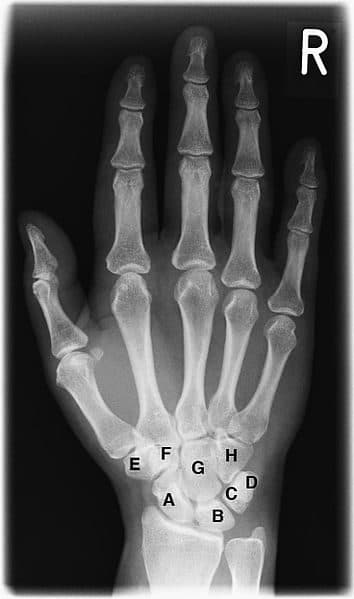
Diagnosis is primarily clinical with electrodiagnostic confirmation (NCS/EMG) grading severity. Ultrasound is increasingly used as a rapid, radiation-free alternative, assessing median nerve cross-sectional area at the tunnel inlet.