Elbow, Wrist & HandPatient education
What Is a Hand Surgeon?
What Is a Hand Surgeon? The Importance of Our Hands Our hands are essential tools for daily life, enabling us to: Eat, dress, and write. Work, play sports, and create art. Perform countless other activities requiring strength, motion, and sensation. When hands are injured or…
Published
12 December 2024
Reading time
4 min
Words
997
Sections
4
What Is a Hand Surgeon?
The Importance of Our Hands
Our hands are essential tools for daily life, enabling us to:- Eat, dress, and write.
- Work, play sports, and create art.
- Perform countless other activities requiring strength, motion, and sensation.
Who Are Hand Surgeons?
Hand surgeons are highly trained specialists in orthopaedic, plastic, or general surgery who focus a significant part of their practice on treating the hand and upper extremities, including:- Fingers
- Hands
- Wrists
- Forearms
- Elbows
Training and Role of Hand Surgeons
Specialized Training for Hand Surgeons
Hand surgery is a dedicated subspecialty for orthopaedic, plastic, and general surgeons. To become a qualified hand surgeon, physicians must:- Complete Specialized Training: After a 5- to 7-year residency in their primary specialty, hand surgeons undergo an additional year of focused training in hand surgery.
- Dedicate Their Practice: Hand surgeons often spend at least 70% of their practice treating conditions of the hand and upper extremity.
- Earn Certification: Hand surgeons achieve certification in hand surgery through their respective medical boards. For orthopaedic surgeons, the American Board of Orthopaedic Surgery (ABOS) certifies those with extensive training, experience, and contributions in hand surgery.
What Hand Surgeons Do
Hand surgery involves the diagnosis and treatment of conditions affecting the hand, wrist, and forearm, with or without surgery. Many hand surgeons also specialize in diagnosing and treating elbow conditions. Common Conditions Treated by Hand Surgeons:- Hand, Finger, and Wrist Issues:
- Arthritis
- Carpal tunnel syndrome
- Trigger finger
- Fractures
- Ganglion cysts
- Infections
- Nerve and tendon injuries
- Elbow Conditions (for surgeons specializing in elbows):
- Biceps tendon tear
- Arthritis
- Fractures and dislocations
- Tennis elbow (lateral epicondylitis)
- Golfer's elbow (medial epicondylitis)
- Pediatric Conditions:
- Congenital hand differences
Scope of Work
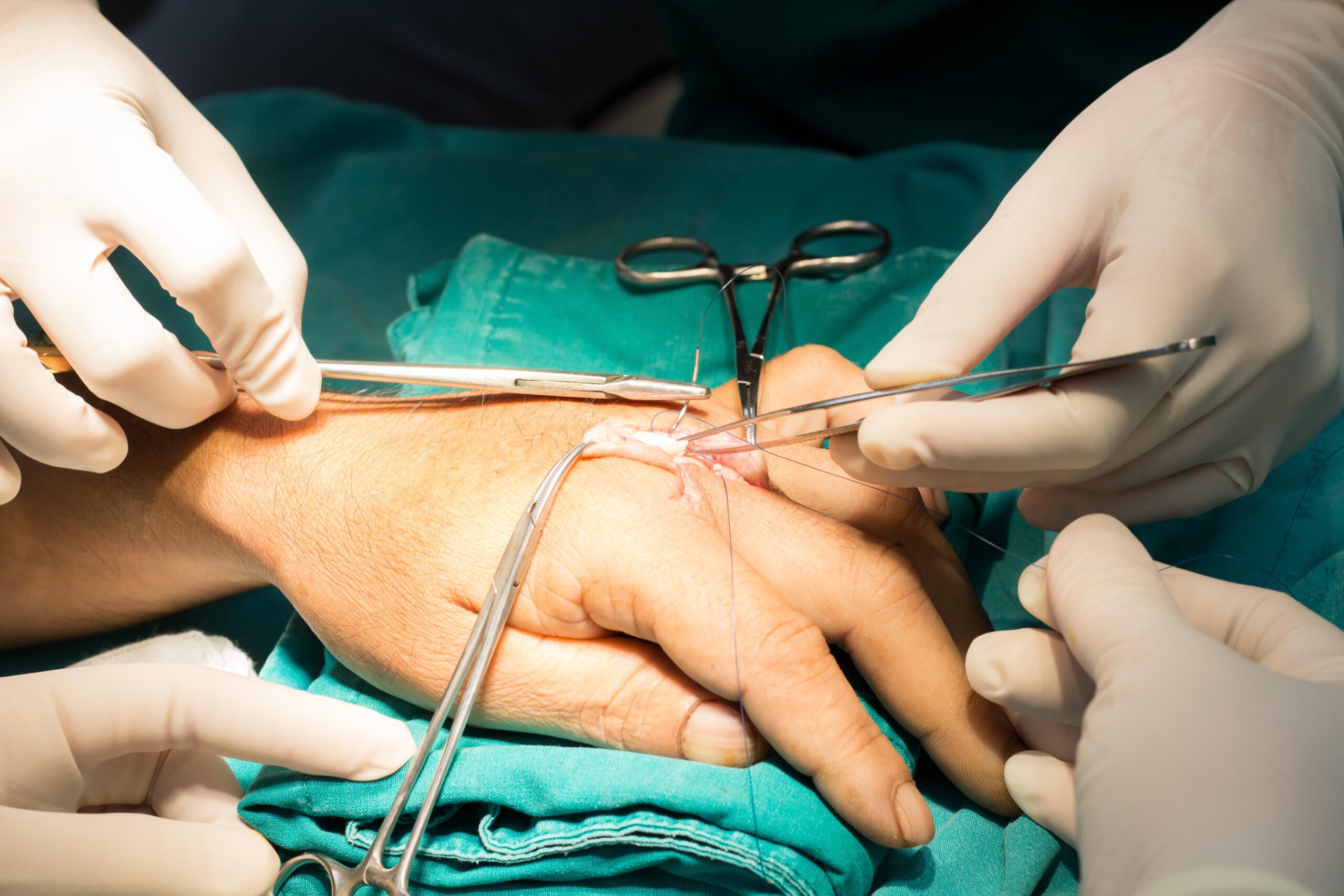
Hand surgeons divide their time between:- Operating Room: Performing surgical procedures to address injuries and conditions requiring surgical intervention.
- Clinic: Diagnosing, managing nonsurgical conditions, preparing patients for surgery, and conducting postoperative follow-ups.
- Train medical students, residents, and fellows.
- Conduct research and publish findings.
- Present at professional conferences to share advancements in the field.
Training and Role of Hand Surgeons
Specialized Training for Hand Surgeons
Hand surgery is a focused subspecialty for orthopaedic, plastic, and general surgeons. To qualify as a hand surgeon, physicians must:- Complete Advanced Training
- After completing a 5- to 7-year residency in their primary specialty, surgeons undergo at least one additional year of specialized training in hand surgery.
- Focus Their Practice
- Hand surgeons dedicate a significant portion of their practice (often 70% or more) to conditions affecting the hand and upper extremity.
- Earn Certification
- Certification is granted by respective medical boards, such as the American Board of Orthopaedic Surgery (ABOS) for orthopaedic surgeons. This acknowledges their expertise, extensive training, and contributions in the field.
Responsibilities of Hand Surgeons
Hand surgeons diagnose and treat a range of conditions affecting the hand, wrist, and forearm, both surgically and nonsurgically. Many also address elbow-related issues. Conditions Commonly Treated by Hand Surgeons:- Hand, Finger, and Wrist Conditions:
- Arthritis
- Carpal tunnel syndrome
- Trigger finger
- Fractures
- Ganglion cysts
- Infections
- Nerve and tendon injuries
- Elbow Conditions (for specialists in elbows):
- Biceps tendon tear
- Arthritis
- Fractures and dislocations
- Tennis elbow (lateral epicondylitis)
- Golfer's elbow (medial epicondylitis)
- Pediatric Conditions:
- Congenital hand differences
Scope of Work
Hand surgeons split their time between:- Surgical Interventions: Performing procedures to repair injuries, remove obstructions, or reconstruct damaged tissues.
- Clinical Practice: Managing nonsurgical cases, preparing patients for surgery, and overseeing postoperative recovery.
- Train medical students, residents, and fellows.
- Conduct research and write academic papers.
- Present findings and techniques at professional conferences.
Training and Role of Hand Surgeons
Specialized Training for Hand Surgeons
Hand surgery is a focused subspecialty for orthopaedic, plastic, and general surgeons. To qualify as a hand surgeon, physicians must:- Complete Advanced Training
- After completing a 5- to 7-year residency in their primary specialty, surgeons undergo at least one additional year of specialized training in hand surgery.
- Focus Their Practice
- Hand surgeons dedicate a significant portion of their practice (often 70% or more) to conditions affecting the hand and upper extremity.
- Earn Certification
- Certification is granted by respective medical boards, such as the American Board of Orthopaedic Surgery (ABOS) for orthopaedic surgeons. This acknowledges their expertise, extensive training, and contributions in the field.
Responsibilities of Hand Surgeons
Hand surgeons diagnose and treat a range of conditions affecting the hand, wrist, and forearm, both surgically and nonsurgically. Many also address elbow-related issues. Conditions Commonly Treated by Hand Surgeons:- Hand, Finger, and Wrist Conditions:
- Arthritis
- Carpal tunnel syndrome
- Trigger finger
- Fractures
- Ganglion cysts
- Infections
- Nerve and tendon injuries
- Elbow Conditions (for specialists in elbows):
- Biceps tendon tear
- Arthritis
- Fractures and dislocations
- Tennis elbow (lateral epicondylitis)
- Golfer's elbow (medial epicondylitis)
- Pediatric Conditions:
- Congenital hand differences
Scope of Work
Hand surgeons split their time between:- Surgical Interventions: Performing procedures to repair injuries, remove obstructions, or reconstruct damaged tissues.
- Clinical Practice: Managing nonsurgical cases, preparing patients for surgery, and overseeing postoperative recovery.
- Train medical students, residents, and fellows.
- Conduct research and write academic papers.
- Present findings and techniques at professional conferences.
Keep reading