Spine & NeckPatient education
Understanding Spinal Kyphosis: Causes, Symptoms, and Treatment Options
Published
1 November 2024
Reading time
9 min
Words
2,106
Revised Paragraph
Kyphosis is a spinal condition characterized by an excessive forward curve in the upper back, leading to a visibly rounded posture. Often referred to as "roundback," and "hunchback" in more severe cases, kyphosis can develop at any age but frequently appears during adolescence. In most instances, kyphosis presents minimal issues and may not require treatment. Some individuals may benefit from wearing a back brace or engaging in specific exercises to improve posture and enhance spinal support. However, severe kyphosis can lead to back pain, notable spinal deformities, and even respiratory issues. In such cases, surgical intervention may be necessary to correct the curvature and alleviate symptoms.Anatomy of the Spine
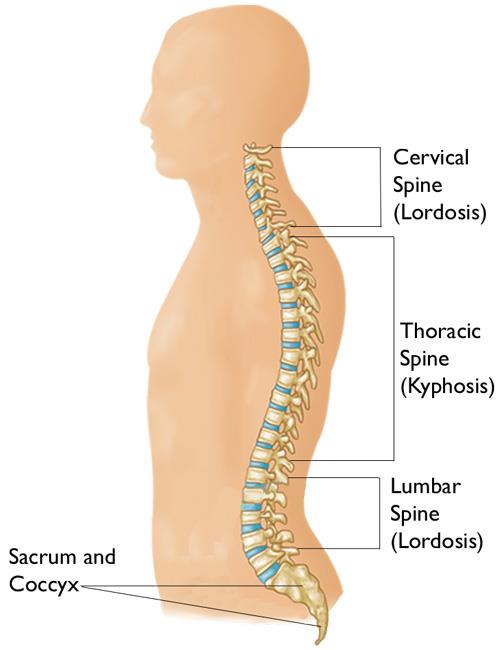
The spine is composed of three main segments, each forming a distinct curve that, when viewed from the side, contributes to the natural alignment of the body. The neck (cervical spine) and lower back (lumbar spine) have C-shaped curves known as lordosis, while the chest (thoracic spine) has a reverse C-shaped curve referred to as kyphosis. These spinal curves play an essential role in balancing the body, allowing us to stand upright. When any of these curves become exaggerated or reduced, it disrupts balance and can result in abnormal posture.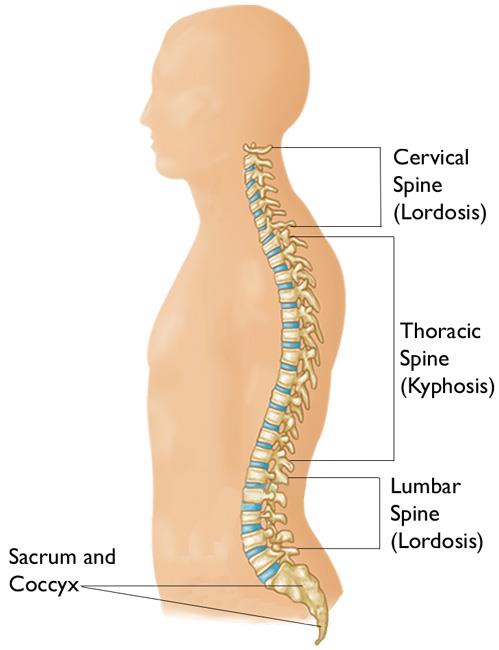 The spine also includes smaller anatomical components:
- Vertebrae: Typically, the spine consists of 24 stacked, rectangular-shaped bones called vertebrae. These bones form the natural curves of the spine and create a protective canal for the spinal cord.
- Intervertebral Disks: Positioned between each vertebra, intervertebral disks are flat, round, and about a half-inch thick. These disks act as shock absorbers, cushioning the spine and reducing impact during movement.
Description of Kyphosis
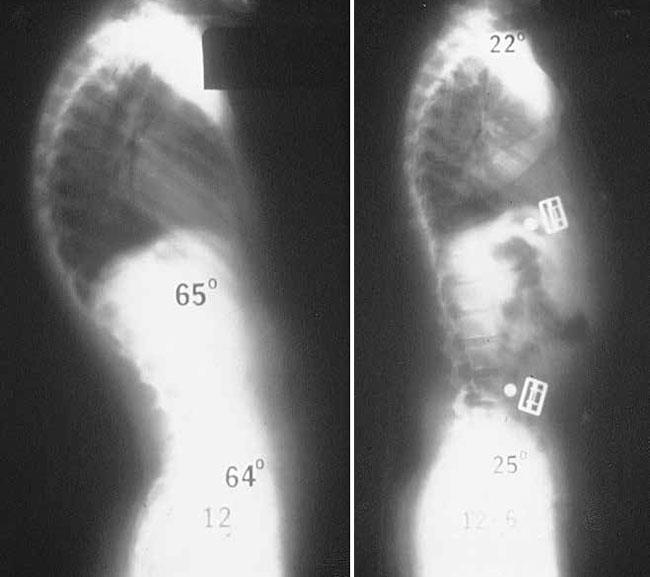
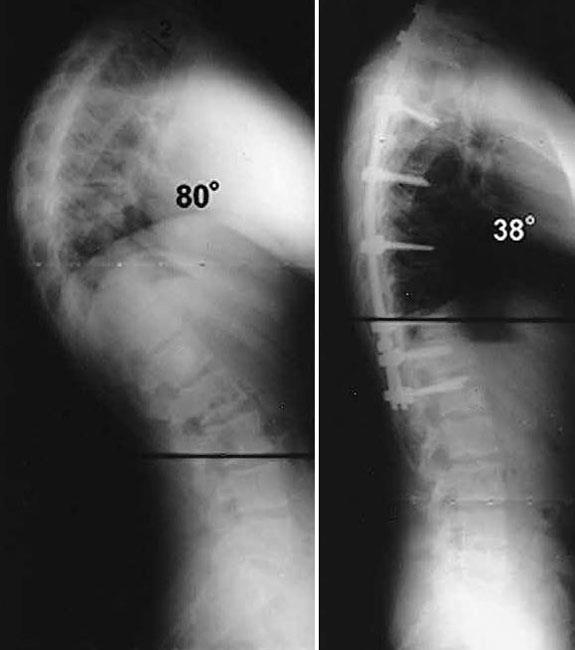
While the thoracic spine naturally curves between 20 and 45 degrees, certain postural or structural abnormalities can increase this curvature beyond normal limits. Known medically as hyperkyphosis when it exceeds 50 degrees, this excessive curvature is often simply referred to as kyphosis by doctors to describe the clinical condition resulting in a rounded upper back. The severity of kyphosis can vary. Generally, more pronounced curves lead to a more serious condition. Milder kyphosis may cause minimal discomfort or none at all, while more severe cases can result in noticeable spinal deformity, often producing a visible hump on the upper back.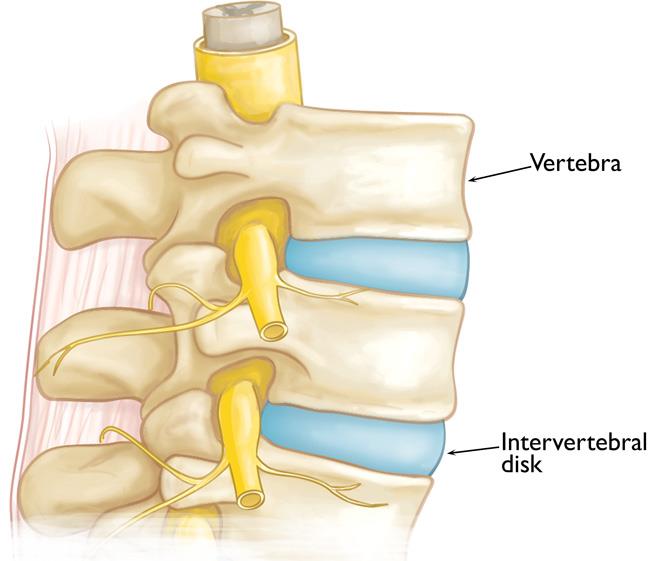
Understanding Kyphosis
The thoracic spine normally maintains a kyphotic curve between 20 and 45 degrees. However, postural issues or structural irregularities can cause this curvature to extend beyond the typical range. When the curve exceeds 50 degrees, it is medically termed hyperkyphosis. Nonetheless, doctors often use the term "kyphosis" to describe any excessive curvature in the thoracic spine that leads to a rounded appearance in the upper back. Kyphosis severity can vary widely. Generally, the more pronounced the curve, the more significant the impact on the individual. Mild cases may produce minimal symptoms, such as mild back discomfort or none at all, while severe cases can lead to noticeable spinal deformities, including a visible hump on the back.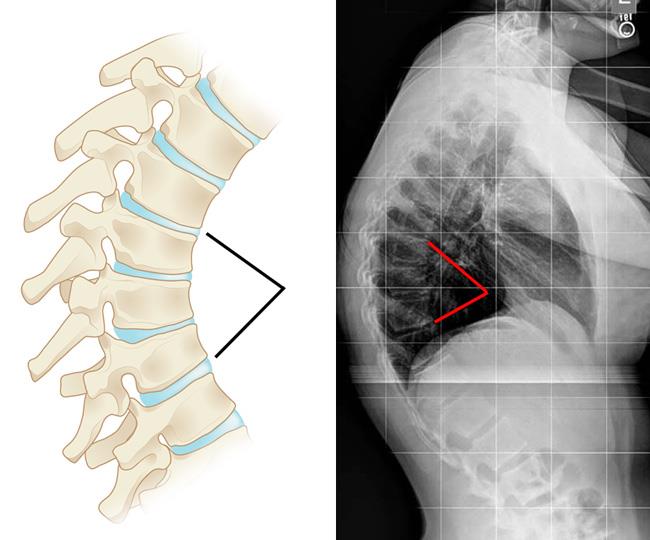
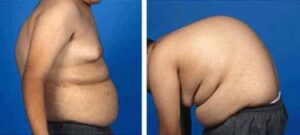
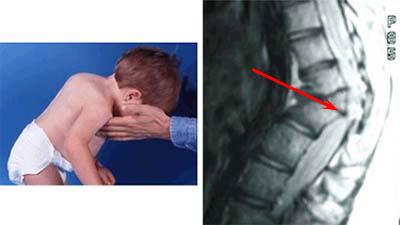
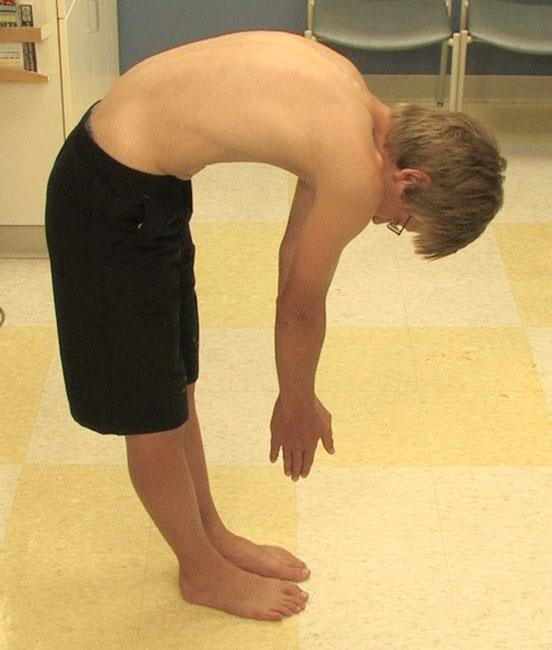
Clinical photos of an adolescent male show an abnormally rounded upper back. His severe kyphosis is most obvious when bending forward.
Keep reading