KneePatient education
Understanding Knee Replacement Implants: Types and Benefits
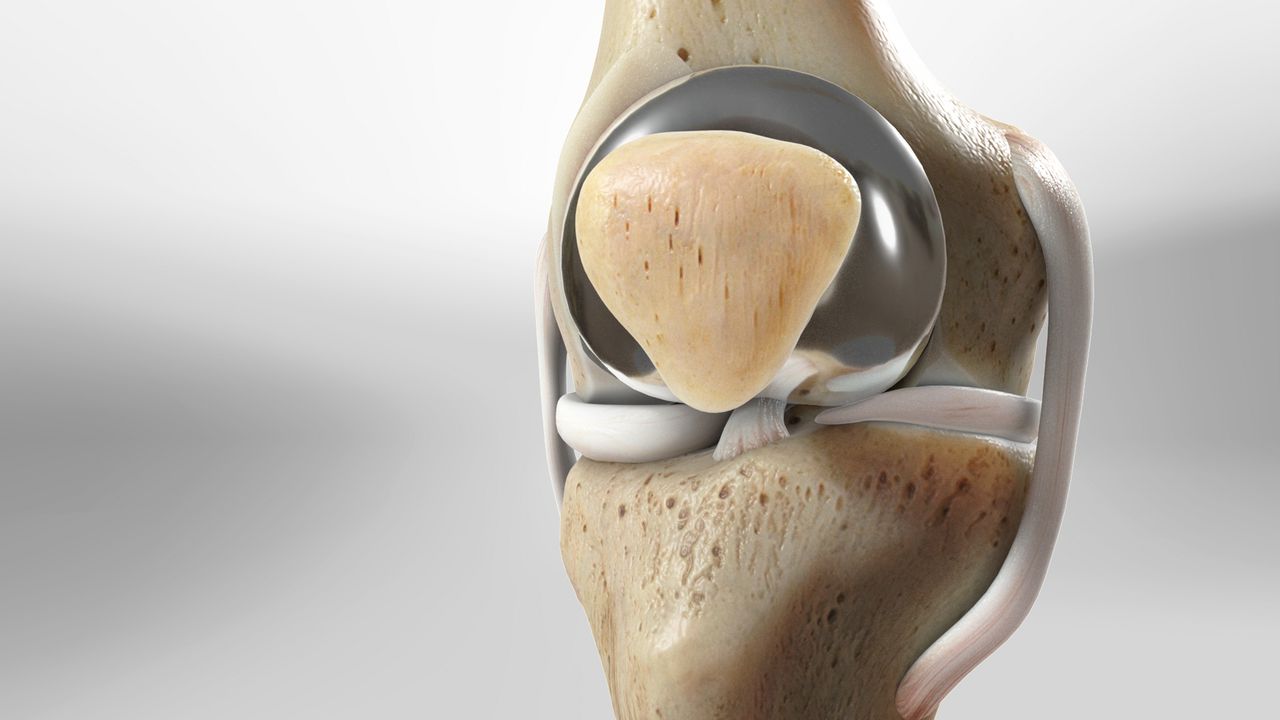
During knee replacement surgery, an orthopedic surgeon replaces the damaged surfaces of your knee joint with artificial components known as implants. These implants are designed to restore function and reduce pain caused by knee joint damage. There are various types of implants…
Published
15 December 2024
Reading time
5 min
Words
1,131
Sections
9
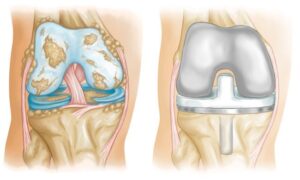
During knee replacement surgery, an orthopedic surgeon replaces the damaged surfaces of your knee joint with artificial components known as implants. These implants are designed to restore function and reduce pain caused by knee joint damage.
There are various types of implants available, and the choice of implant depends on several factors, including:
 ' ' ' ' ' ' ' ' ' '
- Your specific needs: This includes the nature of your knee condition, the anatomy of your knee, and considerations such as age, weight, activity level, and overall health.
- Surgeon expertise: Your doctor's familiarity and experience with a particular implant design or brand may influence the decision.
- Cost and performance: The price and proven track record of the implant are also key considerations.
Implant Components in Knee Replacement
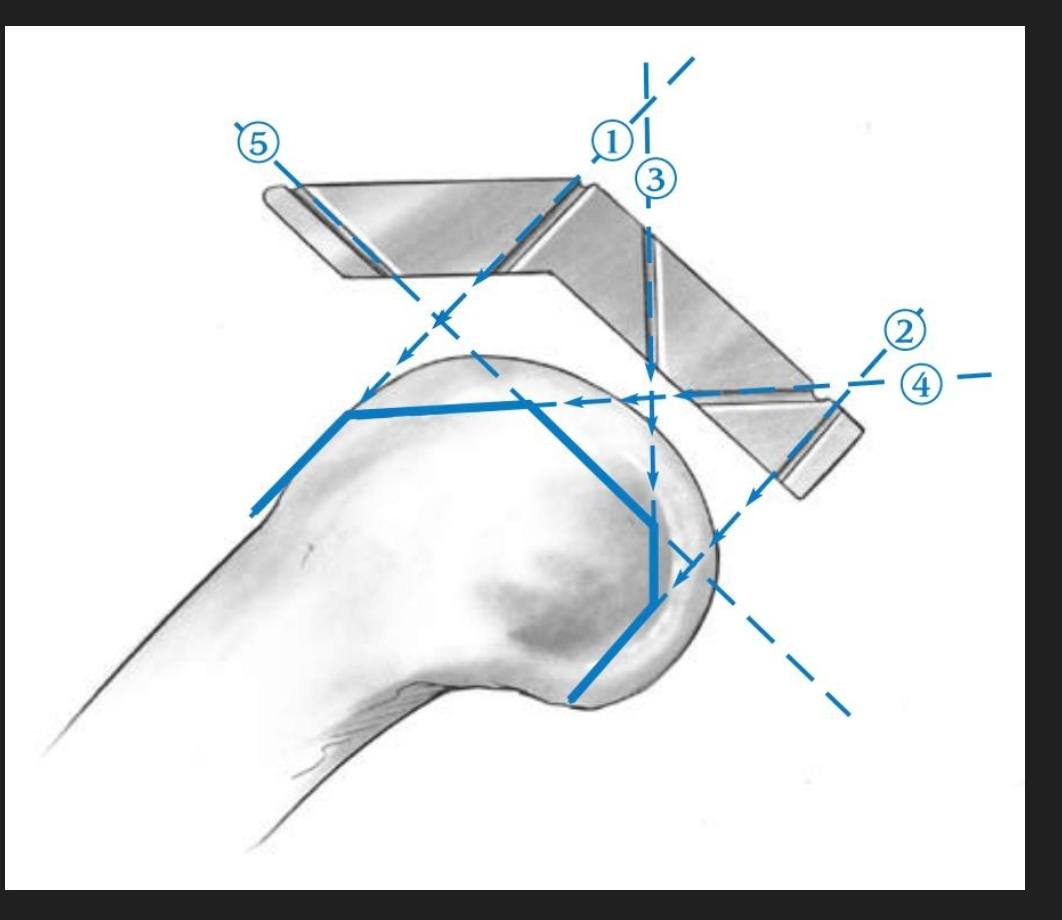
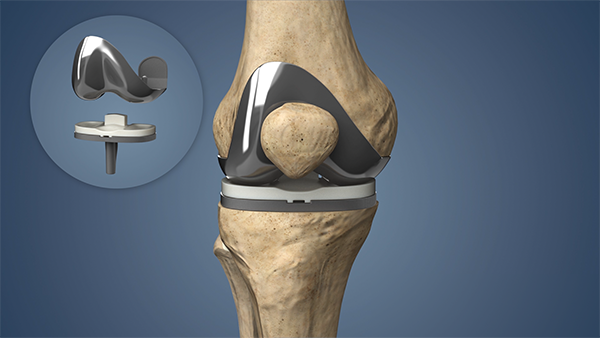
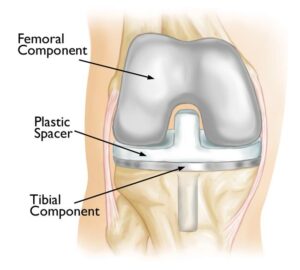
Knee replacement implants are crafted from durable materials such as metal alloys, ceramic components, and strong plastic parts. In a total knee replacement, up to three bone surfaces may be resurfaced using these components:- Lower End of the Femur: The metal femoral component is designed to fit over the curved end of the femur (thighbone). It features a groove to allow smooth movement of the kneecap as the knee bends and straightens.
- Top Surface of the Tibia: The tibial component generally consists of a flat metal platform paired with a polyethylene cushion, which is a tough and long-lasting plastic. Some designs eliminate the metal platform, attaching the polyethylene directly to the bone. For enhanced stability, certain components may include a metal stem that extends into the center of the tibia.
- Back Surface of the Patella: The patellar component, made of polyethylene, is dome-shaped to replicate the natural contour of the kneecap. In some surgeries,
Components are designed so that metal always interfaces with plastic, which provides for smoother movement and results in less wear of the implant.
Implant Considerations for Knee Replacement
Knee replacement implants are crafted from materials like titanium or cobalt-chromium-based alloys for metal components and medical-grade polyethylene for plastic parts. Some implants incorporate ceramics or ceramic-metal blends, such as oxidized zirconium. These implants typically weigh between 15 and 20 ounces.Material Criteria
Implants must meet strict requirements to ensure effectiveness and safety:- Biocompatibility: Materials must integrate well with the body and not trigger rejection.
- Functionality: Implants must replicate the knee's natural structures, withstand weight-bearing loads, endure stress without breaking, and allow smooth movement.
- Durability: They must retain their strength and shape for years without degrading.
Implant Fixation Methods
Different techniques are used to secure knee implants to the bone:- Cemented Fixation: The most common method, using fast-curing bone cement (polymethylmethacrylate) to hold the implant in place.
- Cementless Fixation: Relies on new bone growth into the implant's textured or coated surface for stability.
- Hybrid Fixation: Combines cemented and cementless techniques, tailored to individual needs.
Implant Designs
While the knee is often simplified as a hinge joint, its actual movement involves rolling and gliding as it bends. Modern implant designs are engineered to mimic these complex motions and provide stability, either by preserving the patient's natural ligaments or substituting for them. There are over 150 knee implant designs available from various manufacturers. While surgeons may have preferences, studies have not demonstrated significant differences in function or longevity between brands. Each design has unique advantages and disadvantages, which should be discussed with your surgeon.Posterior-Stabilized vs. Cruciate-Retaining Designs
- Posterior-Stabilized Designs: These implants replace the function of the posterior cruciate ligament (PCL) by removing it and incorporating parts of the implant to mimic its role. A raised post on the tibial component fits into a cam on the femoral component, preventing the thighbone from sliding too far forward during knee bending. Some designs also compensate for the medial and lateral collateral ligaments with larger posts.
- Cruciate-Retaining Designs: These implants preserve the PCL to maintain natural knee stability and function.
At this time, there is no research to show that posterior-stabilized implants last longer or provide better results than cruciate-retaining implants, or vice versa.
' ' ' ' ' ' ' ' ' ' Mobile-Bearing vs. Fixed-Bearing Knee Implants
Knee implants, whether posterior-stabilized or cruciate-retaining, can also be classified into two main types: mobile-bearing and fixed-bearing designs.- Fixed-Bearing Implants: In this design, the polyethylene insert of the tibial component is securely attached to the metal base. The femoral component rolls over this fixed cushioned surface, ensuring stability during movement.
- Mobile-Bearing Implants: Also referred to as rotating platform implants, these allow the polyethylene insert to rotate slightly within the metal tibial tray. This added mobility provides a few degrees of rotational freedom to the medial and lateral sides of the knee, mimicking natural knee movements.