OtherPatient education
Tips for Maintaining Arm Strength as You Age
This article provides a comprehensive guide to maintaining arm strength as you age, alongside frequently asked questions.
Published
15 September 2024
Reading time
4 min
Words
874
Sections
3

Tips for Maintaining Arm Strength as You Age
As we age, maintaining arm strength becomes critical for preserving independence, mobility, and overall health. Arm strength supports daily activities like carrying groceries, lifting items, and maintaining balance. Without regular exercise, muscle mass and strength decline naturally, a condition known as sarcopenia. However, incorporating targeted strength training, stretching, and lifestyle changes can help slow this process. This article provides a comprehensive guide to maintaining arm strength as you age, alongside frequently asked questions.-
Why Arm Strength Declines with Age
- Sarcopenia: This age-related muscle loss typically begins in your 30s and accelerates with time. By focusing on regular exercise, particularly resistance training, you can combat the effects of sarcopenia, which weakens muscles and limits mobility.
- Reduced Activity Levels: Many older adults experience a decline in physical activity, which contributes to muscle weakening. Consistently engaging in physical exercises can prevent atrophy and keep muscles strong.
-
Best Exercises to Maintain Arm Strength
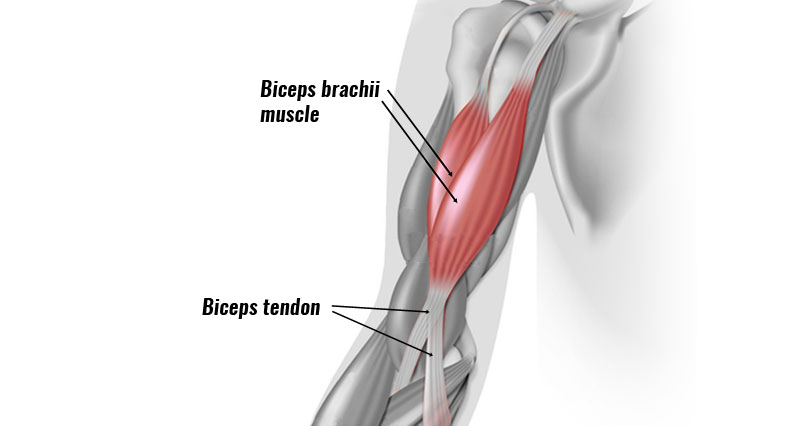
- Resistance Training: Using resistance bands, dumbbells, or even household objects like water bottles can help build and maintain arm strength. Exercises like bicep curls, tricep dips, and shoulder presses are highly effective. Bicep curls can be done seated or standing, making them accessible for various fitness levels.
- Bodyweight Exercises:Push-ups (including wall push-ups) and chair dips are great for strengthening arm muscles without needing equipment. For example, wall push-ups can be modified for intensity by adjusting the distance from the wall.
- Grip Strength Exercises: Incorporating wrist curls and using handgrip trainers can help maintain grip strength, which is crucial for functional tasks like opening jars or carrying objects.
- Functional Movements: Exercises that mimic real-life activities, like the farmer's walk (carrying weights while walking), are beneficial for improving arm strength and overall endurance. These exercises also promote coordination between the arms, core, and legs, enhancing balance and functional mobility.
-
Stretching and Flexibility
-
Low-Impact Activities
- Yoga and Tai Chi: These practices not only enhance flexibility but also build arm and shoulder strength through slow, controlled movements. They also improve posture and balance, reducing the risk of falls.
- Water Aerobics: This low-impact exercise provides resistance without placing stress on the joints, making it an ideal option for older adults looking to build arm strength.
-
Consistency and Safety
- Progressive Overload: Gradually increase the resistance or weight you use as your strength improves. This helps your muscles grow stronger over time. However, it's important to listen to your body and not overexert yourself.
- Consult a Healthcare Provider: Before starting any new exercise routine, especially if you have pre-existing conditions, it's essential to consult with a healthcare professional. This ensures that the exercises you perform are safe and appropriate for your fitness level.
-
Nutrition and Hydration
- Protein Intake: Ensure you're consuming enough protein, which is essential for muscle repair and growth. Foods rich in protein like lean meats, legumes, and dairy products can support your muscle-strengthening efforts.
- Hydration: Staying hydrated is vital for muscle function and recovery. Dehydration can lead to muscle cramps and reduce your ability to perform exercises effectively.