OtherPatient education
How to Prevent Arm Injuries in the Workplace
This article explores effective ways to prevent arm injuries at work, including FAQs to address common concerns
Published
15 September 2024
Reading time
4 min
Words
954
Sections
3
How to Prevent Arm Injuries in the Workplace
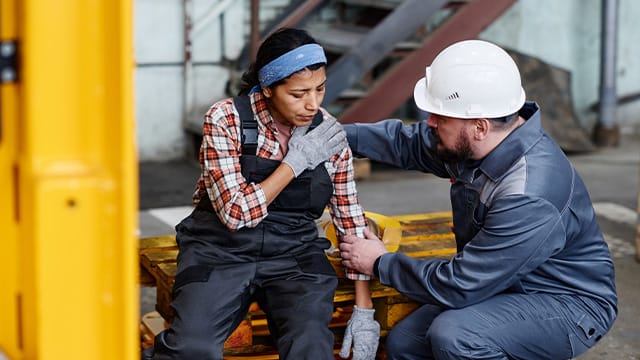
Preventing arm injuries in the workplace is essential for both employee well-being and organizational productivity. Arm injuries, particularly repetitive strain injuries (RSIs), musculoskeletal disorders (MSDs), and trauma due to accidents, can lead to significant downtime, reduced work capacity, and increased healthcare costs. The good news is that these injuries are largely preventable with the right ergonomic practices, safety measures, and employee education. This article explores effective ways to prevent arm injuries at work, including FAQs to address common concerns.-
Understanding Common Arm Injuries in the Workplace
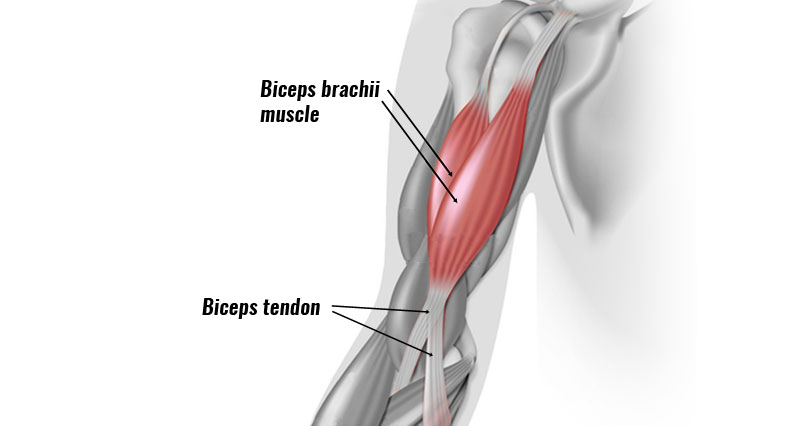
- Repetitive Strain Injuries (RSIs): These result from repetitive motions, such as typing or manual labor, that strain the muscles, tendons, and nerves in the arms. Examples include tendinitis, carpal tunnel syndrome, and tennis elbow.
- Musculoskeletal Disorders (MSDs): Injuries affecting the muscles, joints, and bones, especially in jobs that involve heavy lifting or prolonged awkward postures.
- Traumatic Injuries: These include fractures or dislocations caused by slips, falls, or impacts from equipment and machinery.
- Cubital Tunnel Syndrome: Caused by prolonged elbow flexion or resting on hard surfaces, leading to compression of the ulnar nerve.
-
Key Ergonomic Strategies for Injury Prevention
- Workstation Design: Ensure that workstations allow for a neutral posture, keeping the arms close to the body with wrists straight. Positioning monitors at eye level and keeping keyboards and mice within reach can minimize strain on the arms.
- Tool Design and Usage: Use ergonomically designed tools that reduce awkward postures and excessive force. Tools that are well-fitted to the worker's hand reduce strain on the arms and wrists.
- Regular Breaks: Encourage employees to take frequent breaks to stretch and change positions. Micro-breaks can alleviate muscle fatigue and prevent overuse injuries.
- Adjustable Equipment: Providing adjustable chairs, desks, and tools enables workers to customize their workspace to fit their bodies, reducing the risk of strain injuries.
-
Safety Practices for Physical Jobs
- Safe Lifting Techniques: When lifting heavy objects, employees should bend at the knees and not the waist, keeping objects close to the body to avoid straining the arms.
- Use of Assistive Devices: For heavy or repetitive lifting tasks, use mechanical aids such as dollies or hoists to reduce the load on the arms.
- Wear Protective Gear: Workers in environments with machinery or tools should wear gloves and sleeves that offer protection from cuts, impacts, and chemical exposure.
-
Training and Education
- Ergonomic Training: Regular ergonomic assessments and training sessions help workers learn safe postures, movements, and lifting techniques. Employees should understand the importance of posture, frequent stretching, and using equipment properly.
- Awareness of Body Mechanics: Educating employees on how their body moves and the risks of improper posture helps prevent common injuries like RSIs and tendinitis.
-
Creating a Culture of Safety
- Safety Audits: Conduct regular workplace audits to identify potential hazards that could lead to arm injuries. Regular risk assessments help mitigate dangers before injuries occur.
- Open Communication: Encourage employees to report hazards or discomfort early on so that preventive measures can be implemented.
- Reward Safe Behavior: Recognizing and rewarding employees who follow safety protocols fosters a culture of injury prevention.