TraumaPatient education
Humeral Shaft Fractures
Diaphyseal humeral fractures are breaks in the middle section of the arm bone. These fractures occur from both high-energy trauma in younger people and low-energy falls in older adults.
Published
18 July 2024
Reading time
1 min
Words
285
Sections
2
Overview:
Diaphyseal humeral fractures are breaks in the middle section of the arm bone. These fractures occur from both high-energy trauma in younger people and low-energy falls in older adults.What is the Diaphyseal Humerus?
The diaphyseal humerus is the long, middle part of the arm bone.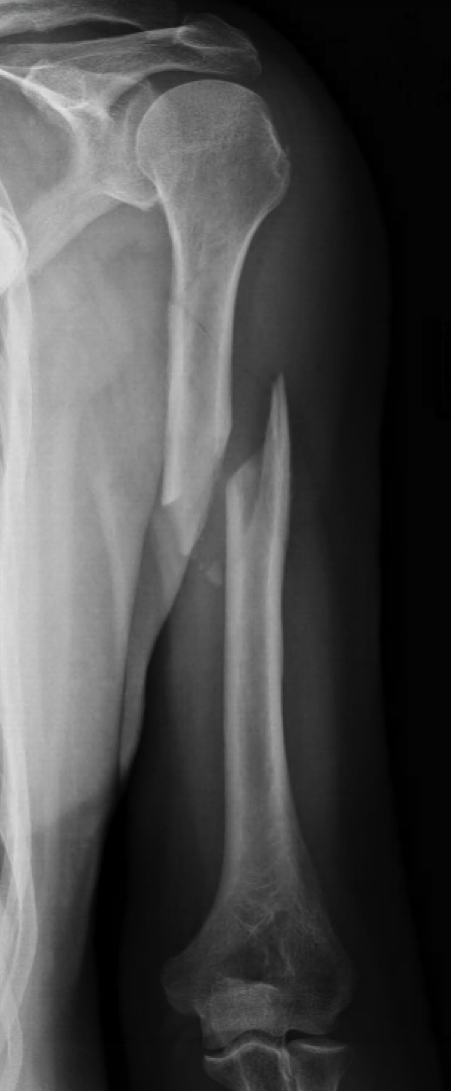
Causes of Diaphyseal Humeral Fractures:
- Direct Trauma:'Such as a direct blow to the arm.
- Indirect Mechanisms:'Falls onto an outstretched arm or twisting injuries.
Symptoms:
- Pain:'Severe pain at the site of the fracture.
- Swelling and Deformity:'Visible swelling and possible deformity.
- Limited Movement:'Difficulty moving the arm.
Diagnosing Diaphyseal Humeral Fractures:
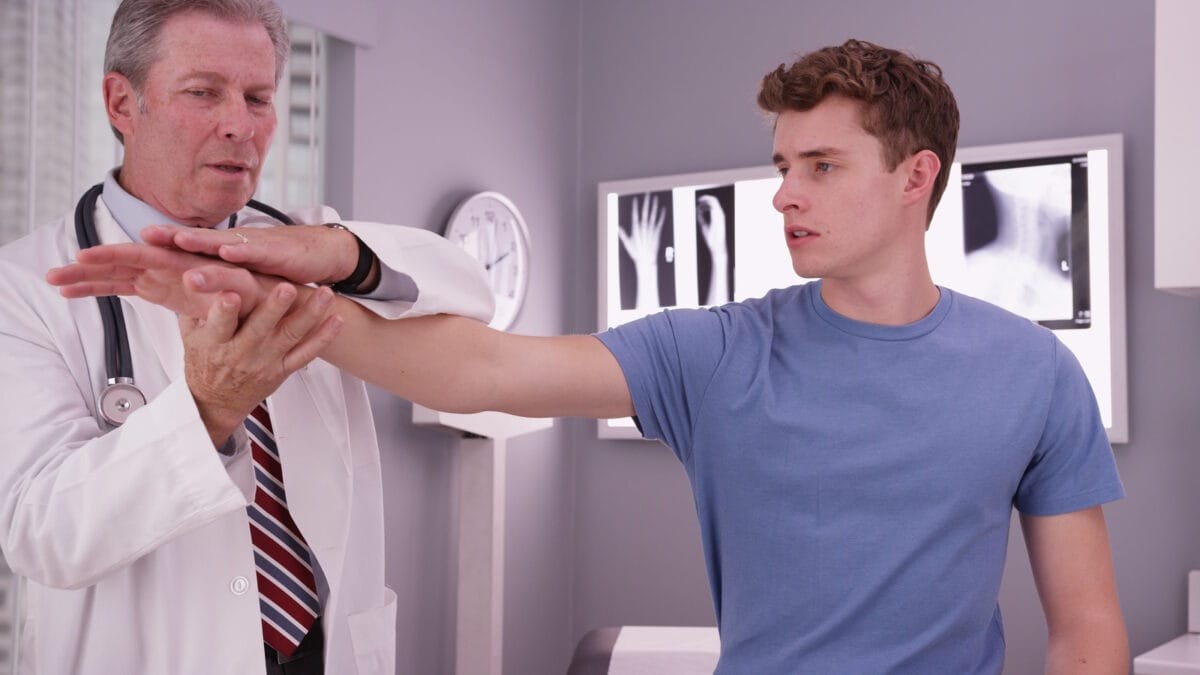
- Physical Examination:'Checking for pain, swelling, and deformity.
- Imaging:
- X-rays:'Standard views to see the fracture.
- CT Scans:'For detailed images if needed.
Types of Fractures:
- AO-OTA Classification:'Divides fractures into simple (A), wedge (B), and complex (C) types.
Treatment Options:
- Non-Surgical Management:
- Suitable for many diaphyseal humeral fractures.
- Functional Bracing:'A special brace to support the arm and allow healing.
- Early Mobilization:'Gradual movement exercises to prevent stiffness.
- Surgical Management:
- Needed for fractures with significant displacement or complications.
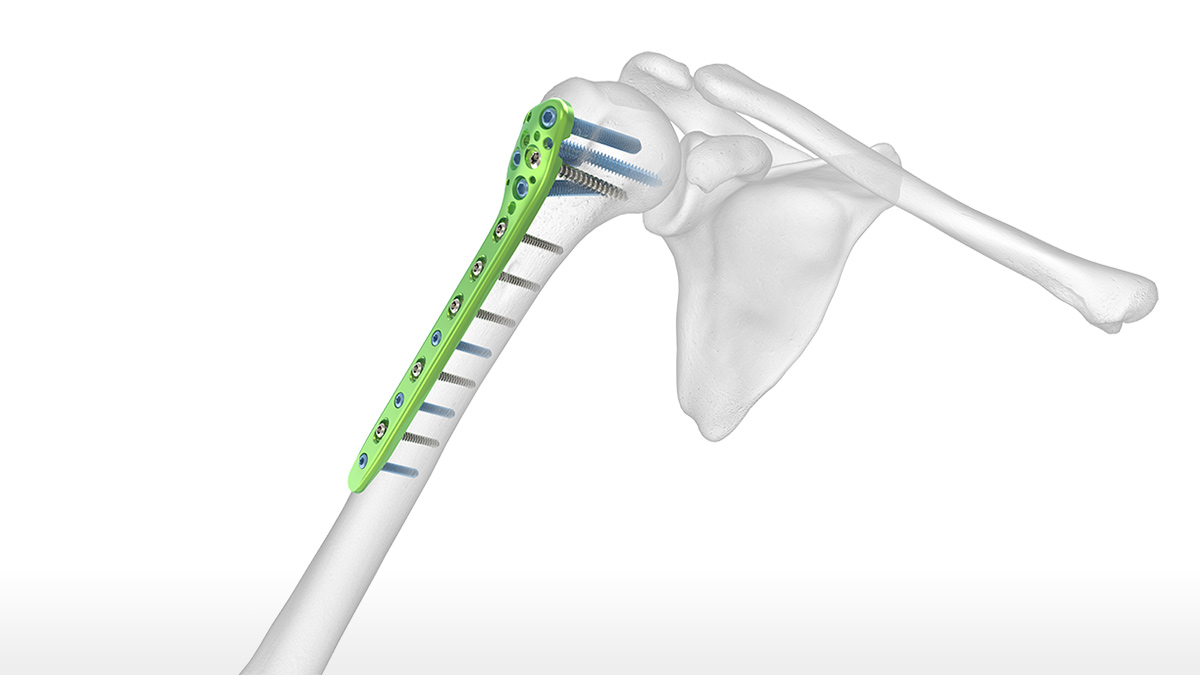
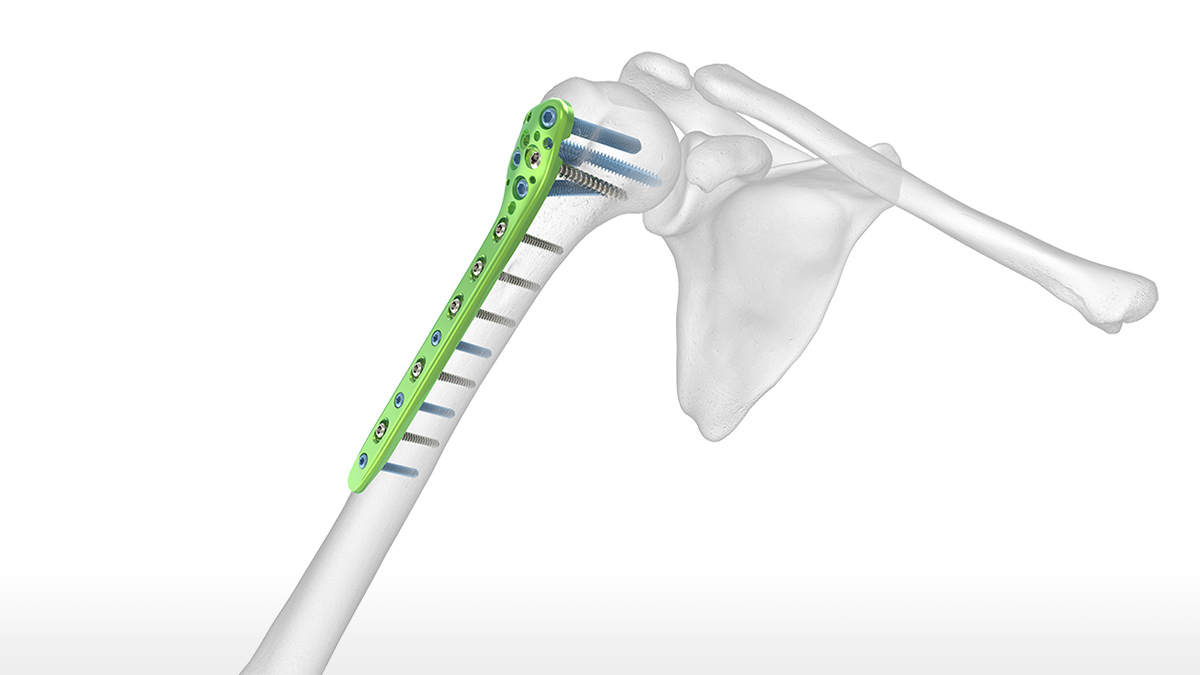
- ORIF (Open Reduction and Internal Fixation):'Aligning and fixing the bones with plates and screws.
-
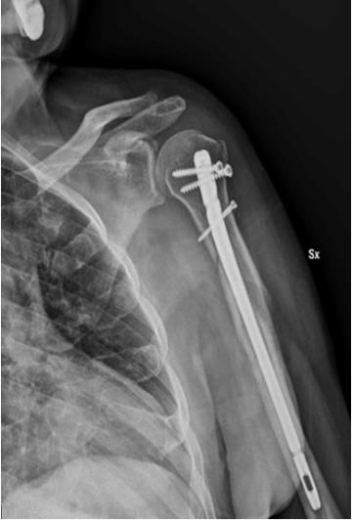
- Intramedullary Nailing (IMN):'Inserting a rod into the bone to stabilize the fracture.
Possible Complications:
- Radial Nerve Palsy:'Injury to the nerve, affecting arm movement.
- Infection:'Risk after surgery.
- Non-Union:'Bone fails to heal.
- Malunion:'Bone heals incorrectly.
- Accurate diagnosis and imaging are essential.
- Non-surgical treatment with functional bracing works for many fractures.
- Surgery is necessary for more complex fractures.
- Early mobilization and follow-up are crucial for healing.
- Individualized treatment plans based on the fracture and patient factors lead to the best outcomes.