TraumaPatient education
How to Choose the Right Physical Therapist for Your Arm Injury
This article will guide you through the process of choosing the right physical therapist to help you regain strength and mobility in your arm.
Published
20 September 2024
Reading time
4 min
Words
810
Sections
5
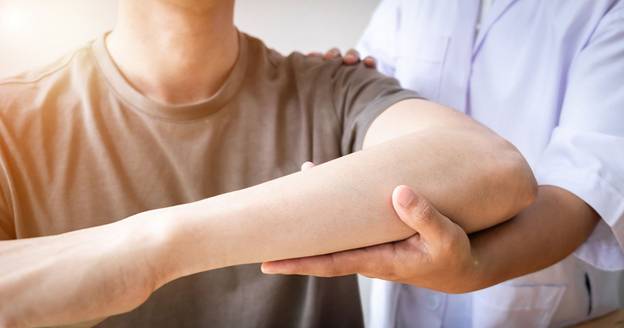
Finding the right physical therapist (PT) for your arm injury is crucial to ensure effective recovery and rehabilitation. With various specializations, treatment approaches, and personal styles, it's essential to consider several factors when selecting a therapist. This article will guide you through the process of choosing the right physical therapist to help you regain strength and mobility in your arm.
Understanding Physical Therapy
Physical therapy is a treatment approach that helps patients recover from injuries, manage pain, and improve function through various exercises and modalities. For arm injuries, physical therapists utilize specialized techniques to strengthen muscles, enhance mobility, and reduce pain.Factors to Consider When Choosing a Physical Therapist
-
Specialization
- Look for a physical therapist who specializes in treating arm injuries. Some may focus on specific areas like sports injuries, post-surgical rehabilitation, or chronic pain management. Ensure their expertise aligns with your specific condition.
-
Credentials and Experience
- Verify the therapist's credentials. They should have a Doctor of Physical Therapy (DPT) degree and be licensed to practice in your state. Experience is also vital; ask how long they have been treating arm injuries and if they have dealt with cases similar to yours.
-
Treatment Techniques
- Different therapists may use varying approaches, such as manual therapy, therapeutic exercises, ultrasound, or electrical stimulation. Research the techniques they use and see if they align with your preferences or comfort levels.
-
Location and Availability
- Consider the convenience of the therapist's location. Proximity can significantly affect your ability to attend regular appointments. Also, check their availability to ensure they can accommodate your schedule.
-
Reputation and Reviews
- Look for reviews and testimonials from previous patients. Online platforms, social media, or word-of-mouth recommendations can provide valuable insights into the therapist's effectiveness and approach.
-
Communication Style
- The right therapist should communicate clearly and effectively. They should explain treatment plans, answer your questions, and listen to your concerns. A good rapport can enhance your recovery experience.
-
Insurance and Payment Options
- Check whether the physical therapist accepts your insurance plan. Understanding the cost and payment options upfront can help avoid any financial surprises during your treatment.
-
Initial Consultation
- Many therapists offer an initial consultation, which is an excellent opportunity to assess their approach and compatibility. Use this time to discuss your injury, treatment goals, and any concerns you may have.
The Rehabilitation Process
Once you've selected a physical therapist, the rehabilitation process typically involves several steps:-
Assessment and Evaluation
- The therapist will conduct a thorough assessment of your arm injury, including medical history, physical examination, and functional assessments. This evaluation helps them develop a personalized treatment plan.
-
Goal Setting
- Together with your therapist, establish clear, achievable goals for your rehabilitation. These could range from pain relief to improving strength, flexibility, or overall function in the affected arm.
-
Treatment Plan Implementation
- The therapist will implement the treatment plan, incorporating various techniques tailored to your specific needs. Regular sessions will focus on exercises, manual therapy, and other modalities to facilitate recovery.
-
Progress Monitoring
- Throughout your rehabilitation, the therapist will monitor your progress, adjusting the treatment plan as necessary. Regular reassessments will ensure you are moving towards your goals effectively.
-
Education and Home Exercise
- Your therapist will educate you about your injury, recovery strategies, and exercises to perform at home. Adhering to a home exercise program is vital for optimal recovery.
Frequently Asked Questions
-
How do I know if I need physical therapy for my arm injury?
-
How long will I need physical therapy for my arm injury?
-
What should I wear to physical therapy sessions?
-
Will my insurance cover physical therapy?
-
What if I feel pain during therapy?