TraumaPatient education
Complex trauma: What you didn't know
The word �trauma� may be used in two different contexts, a physical and non-physical context.
Published
4 June 2024
Reading time
3 min
Words
615
Sections
7
What is complex trauma
The word 'trauma' may be used in two different contexts, a physical and non-physical context. Regarding the physical context, there is a'physical injury'from an external agent made upon a person. When it comes to the'psychological context, the term trauma means a deeply distressing or disturbing event that has caused an emotional response. Trauma can have lasting adverse effects on the individual's functioning physical, social, and emotional well-being. We can'divide trauma into three main types:Acute Trauma
It mainly results from a single event, such as a'road traffic accident.Chronic trauma
It occurs when someone is exposed to multiple, long-term, and/or prolonged traumatic events over a continued period of time.Complex trauma
Complex trauma'involves multiple trauma that can cause multiple fractures and dislocations,'brain injuries,'breathing problems, organ failure, blood loss, infection, permanent disability, or loss of limbs.What are some of the most severe complex trauma injuries?
Over 50 per cent of total hospitalised trauma patients have possible limb-threatening or'life-threatening musculoskeletal injuries, which may result in significant functional impairment. Complex injuries can be physical or non-physical. Physical injuries include'fractures, organ injuries, including lungs, liver, and'kidneys. The risk of fracture depends, in part, on your age. Life- and limb-threatening injuries, including massive bleeding from a pelvic fracture or multiple long bone fractures, complete arterial injury in an extremity, and compartment syndrome, are addressed emergently. In these circumstances,'orthopaedic management'is included in resuscitation efforts and promoting the survival of life and limb. Open fractures'are included in complex trauma injuries, and they should be debrided within the first 24 hours. Mechanically unstable spine, pelvis, acetabulum, and proximal and diaphyseal femur fractures benefit from or definitive stabilisation within the first 36 hours after injury. Spinal cord injury (SCI)'is among the most devastating types of traumatic injury. The lifetime cost of caring for a patient with SCI can reach 5 million pounds, and the global incidence and prevalence of SCI have changed little in past decades. Variations in causation and ethnicity are found between and within regions and countries.How do complex trauma injuries occur?
Complex trauma'can happen after:
- natural disasters
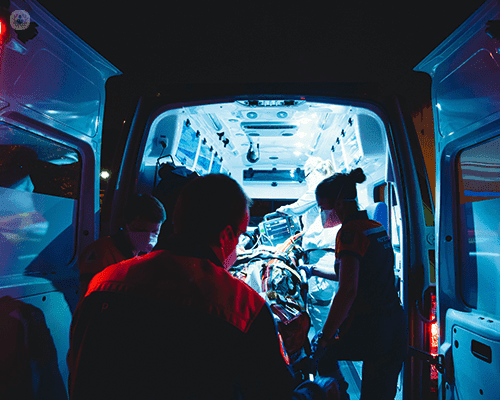
- road traffic accidents
- domestic violence
- accidents
- sports injuries