ShoulderPatient education
Clavicle Fractures
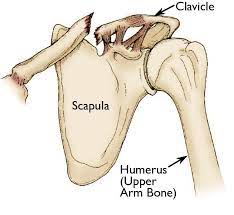
The clavicle, or collarbone, is a long bone that connects the shoulder blade to the breastbone (sternum). It plays a crucial role in shoulder movement and stability.
Published
17 July 2024
Reading time
2 min
Words
473
Sections
6
Overview:
Clavicular fractures, commonly known as collarbone fractures, are frequent injuries, making up 2.6-5% of all fractures and 35-44% of shoulder girdle injuries. These fractures often occur due to direct impacts, falls on the shoulder, or sports-related incidents.What is the Clavicle?
The clavicle, or collarbone, is a long bone that connects the shoulder blade to the breastbone (sternum). It plays a crucial role in shoulder movement and stability.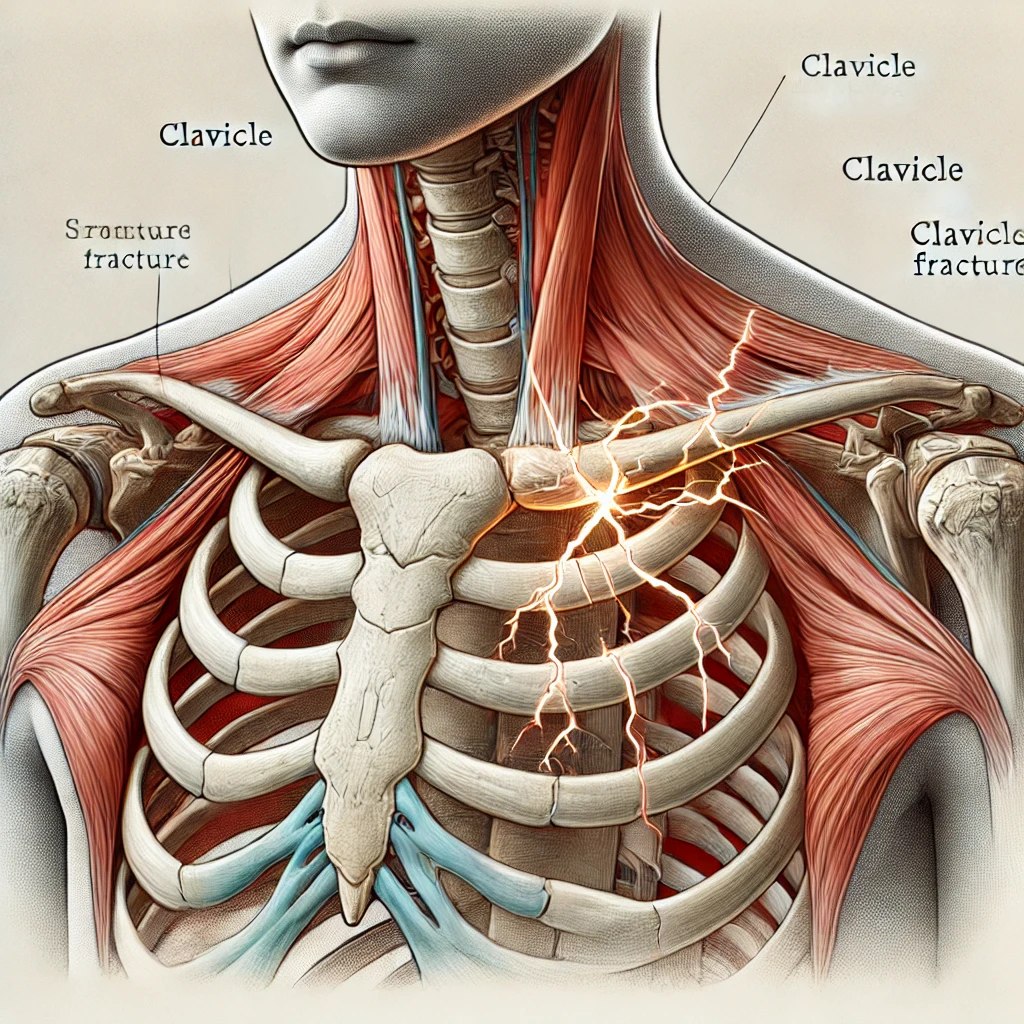 Causes of Clavicular Fractures:
- Direct Blows:'A direct hit to the shoulder, often seen in contact sports like football or hockey.
- Falls:'Falling onto the shoulder or an outstretched arm can result in a fracture.
- Sports Injuries:'High-impact sports activities increase the risk of breaking the clavicle.
 Symptoms of a Clavicular Fracture:
- Pain:'Sharp pain at the site of the fracture.
- Swelling and Bruising:'Visible swelling and bruising around the collarbone.
- Deformity:'A noticeable bump or deformity over the break.
- Limited Movement:'Difficulty or pain when moving the arm and shoulder.
- Physical Examination:'The doctor will check for pain, swelling, and deformity.
- Imaging:
- X-rays:'The primary tool to see the fracture and determine its type.
- CT Scans:'Used for more detailed images, especially in complex cases.
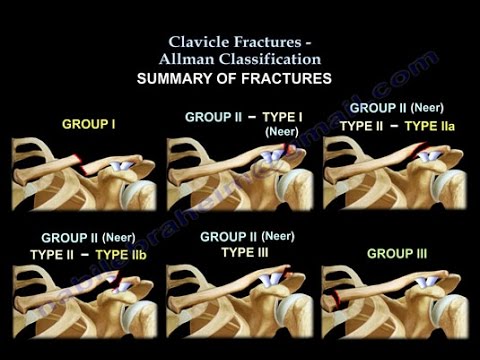
- Allman Classification:'Divides fractures into three groups based on their location along the clavicle.
- Robinson Classification:'Further details the types of fractures based on their complexity and displacement.
Treatment Options:
- Conservative (Non-Surgical) Management:
- For Minimally Displaced Fractures:'If the bones are still aligned well, treatment may include a sling to immobilize the arm, pain management, and rest.
- Rehabilitation:'Gentle exercises to restore movement after initial healing.
- Surgical Management:
- For Significantly Displaced or Complex Fractures:'Surgery might be necessary to realign and stabilize the bones.
- Plate Fixation:'Metal plates and screws are used to hold the bone fragments together.
- Intramedullary Nailing:'A rod is inserted into the bone to keep it in place.
Post-Operative Rehabilitation:
- Initial Phase:'Immobilization with a sling and limited movement to allow healing.
- Gradual Exercises:'Gentle range-of-motion exercises to regain movement.
- Strengthening Exercises:'Once healing progresses, exercises to strengthen the shoulder and restore full function.
Potential Complications:
- Non-Union:'When the bone does not heal properly.
- Malunion:'When the bone heals in an incorrect position.
- Neurovascular Injury:'Rare cases where nearby nerves or blood vessels are damaged.
Key Points for Patients:
- Follow Medical Advice:'Adhere to the treatment plan and follow-up appointments to ensure proper healing.
- Rest and Immobilization:'Essential in the initial phase to promote bone healing.
- Rehabilitation:'Vital for regaining shoulder function and strength.
- Awareness of Complications:'Report any unusual symptoms like persistent pain, numbness, or swelling to your doctor immediately.
Keep reading