ShoulderPatient education
Causes of shoulder pain and the Big Four
Typically, the diagnosis of a certain shoulder condition is best made from a patient�s history, a clinical examination, and special imaging tests
Published
4 June 2024
Reading time
4 min
Words
916
Sections
8

Written by:'
There are multiple joints and bones in the shoulder that connect with tendons and muscles to provide a wide range of motion in the arm. The tendons that keep the arm bone in the shoulder socket are called the rotator cuff, and this is where the range of motion comes from. However, problems may arise from such mobility. These problems may be temporary or continue and eventually require medical diagnosis and treatment.'Professor Mohamad Imam, an exceptionally skilled orthopaedic surgeon specialising in upper limbs, talks about shoulder pain and 'The Big Four'.How is the cause of shoulder pain diagnosed?
Typically, the diagnosis of a certain shoulder condition is best made from a patient's history, a clinical examination, and special imaging tests. All of these are used by doctors in conjunction with each other rather than individually to find the diagnosis.What are the treatment options for shoulder pain?
The cause and the severity of the shoulder pain will determine the treatment. Physiotherapy, exercises, steroid injections, and/or surgery are some of the options to treat shoulder pain.What are the Big Four?
Majority of shoulder issues fall into four major categories:- fracture'(broken bone)
- tendon inflammation (bursitis or tendinitis) or tendon tear
- instability
- arthritis
Shoulder fractures
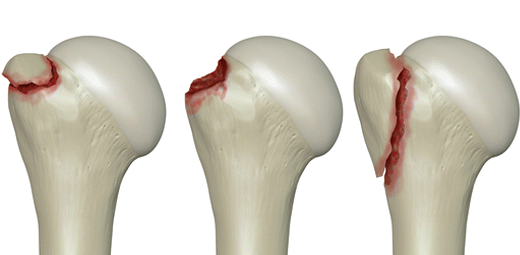
Common shoulder fractures concern the clavicle (collarbone), humerus (upper arm bone), and scapula (shoulder blade) and present with swelling, deformity, bruising, loss of function, and severe pain. Elderly patients tend to fall from standing height and it is often the cause of a fractured shoulder. Alternatively, younger patients tend to get shoulder fractures from high energy injury, such as road traffic accidents or contact'sports injuries.Shoulder tendon pathologies
- Bursitis: inflammation and swelling of the bursae, which are small, fluid-filled sacs acting as cushions between bones and soft tissue located in joints throughout the body.
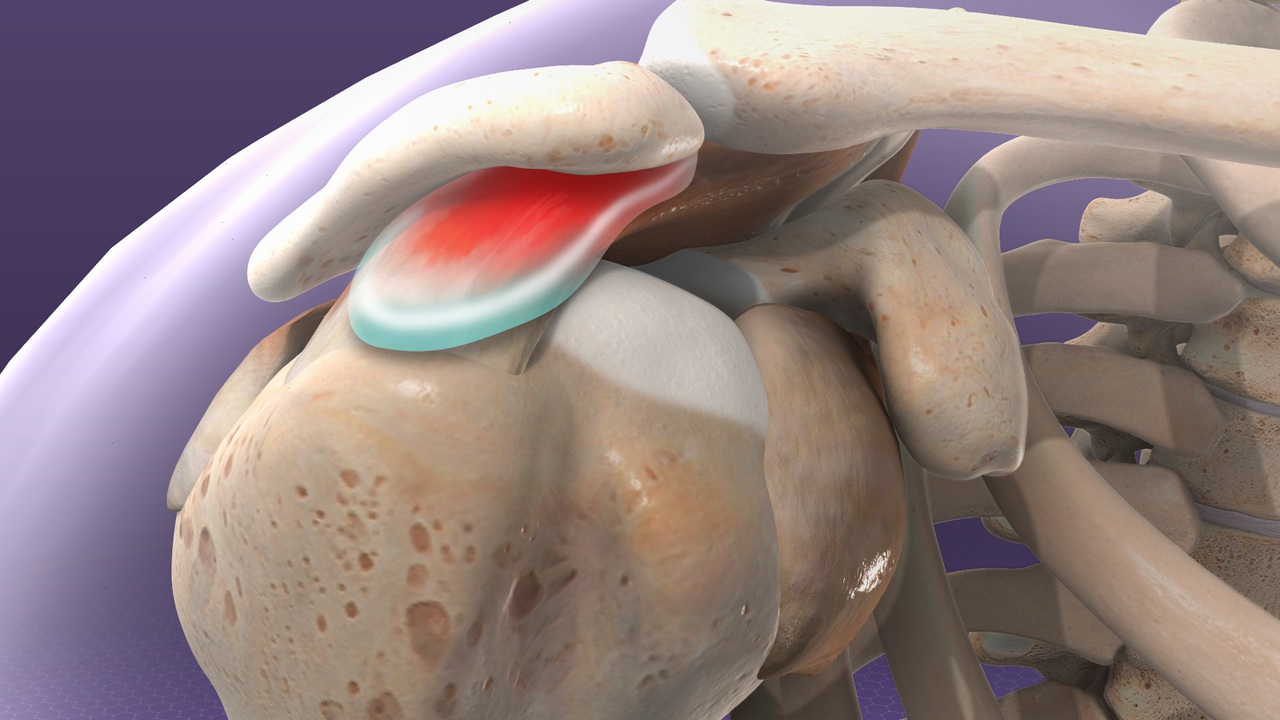
- Impingement: when the acromion (top of the shoulder blade) puts pressure on soft tissue as the arm is lifted away from the body. When the arm raises, the acromion impinges on (rubs) the rotator cuff tendons and bursa. As a result, bursitis and tendinitis may occur, causing pain and limiting movement.
- Tendinitis:'A tendon is a what connects muscle to bone. Inflammation in the tendon is what usually causes one of two types tendinitis:
- Tendon Tears:'Acute injury or degenerative changes may cause splitting and tearing of tendons from reasons such as sudden injury, advancing age, long-term overuse and wear and tear. A tear can be partial or a complete separation from the bone. The most common of these injuries are rotator cuff and biceps tendon tears.
Shoulder instability:
Shoulder instability occurs when the shoulder is dislocated or frozen. A dislocation is when the head, or ball, of the upper arm bone is forced out of the shoulder socket partially (subluxation) or completely. Sudden injury or overuse may both cause shoulder instability. Dislocations'happen repeatedly after the ligaments, tendons, and muscles around the shoulder becomes loose or torn. When raising your arm or moving it away from your body, partial or complete recurring dislocations cause pain and unsteadiness. There is an increased risk of arthritis in the shoulder with repeated episodes. Oppositely,'frozen shoulder'is when the range of motion is limited due to the capsule contracting. As a result, lifting your arm up actively will be a struggle; passive limitation of movement will also happen, where lifting your arm will not be possible even with help from your other arm or another person.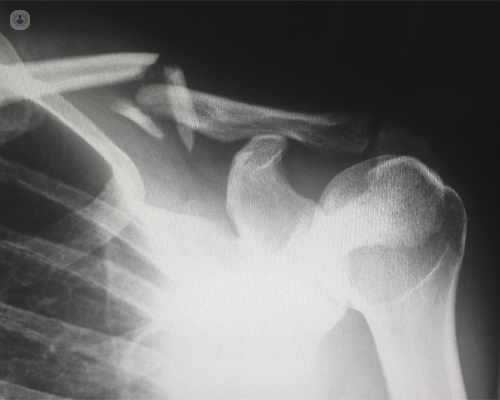
Shoulder arthritis
Many types of arthritis can cause shoulder pain. Osteoarthritis, also known as degenerative arthritis, is the most common type and may be related to chronic wear and tear, sports injuries, or work injuries. It develops slowly and, over time, pain worsens. Symptoms include:- swelling
- pain
- stiffness, usually beginning during middle age
When should you seek medical help?
Contact your doctor if you experience:- fever
- inability to move your shoulder
- lasting bruising
- heat
- tenderness around the joint
- pain that persists beyond a few weeks of home treatment
Keep reading