TraumaPatient education
The Role of Physical Therapy in Recovering from Arm Injuries
From fractures and dislocations to tendonitis and muscle strains, physical therapy helps restore function, reduce pain, and prevent future injuries.
Published
30 July 2024
Reading time
2 min
Words
532
Sections
6

Introduction
Physical therapy plays a pivotal role in the recovery process from arm injuries, offering both immediate and long-term benefits. From fractures and dislocations to tendonitis and muscle strains, physical therapy helps restore function, reduce pain, and prevent future injuries. This article delves into the crucial role of physical therapy, its methods, and its impact on patient recovery, following SEO best practices to enhance visibility and engagement.Understanding Arm Injuries
Arm injuries encompass a wide range of conditions, including:- Fractures: Breaks in the bone.
- Dislocations: Bones forced out of their normal positions.
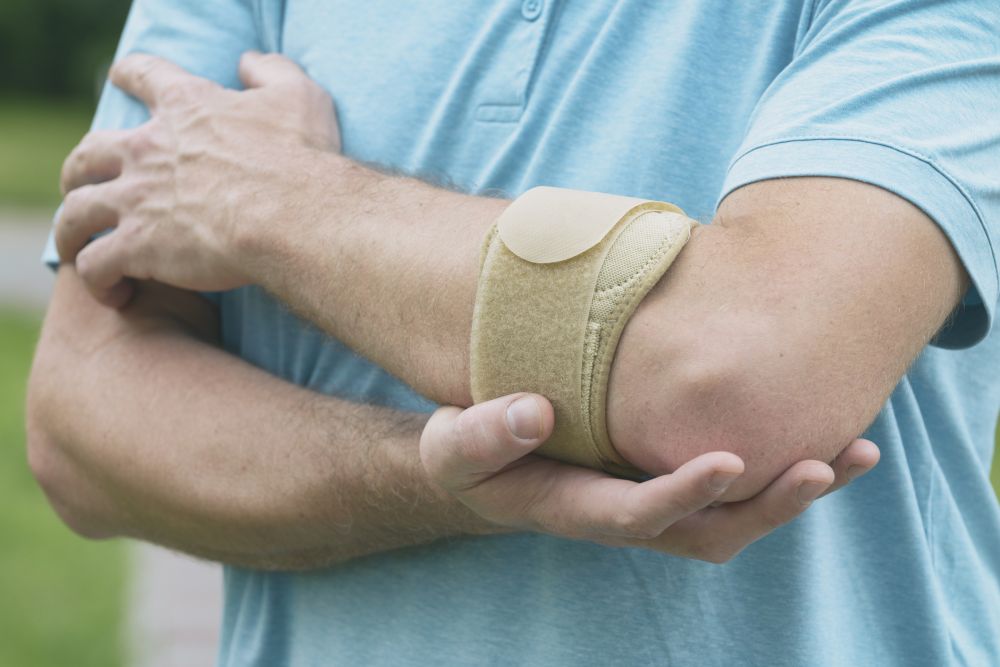
- Tendonitis: Inflammation of the tendons, often due to overuse.
- Muscle strains: Overstretching or tearing of muscles.
Role of Physical Therapy in Recovery
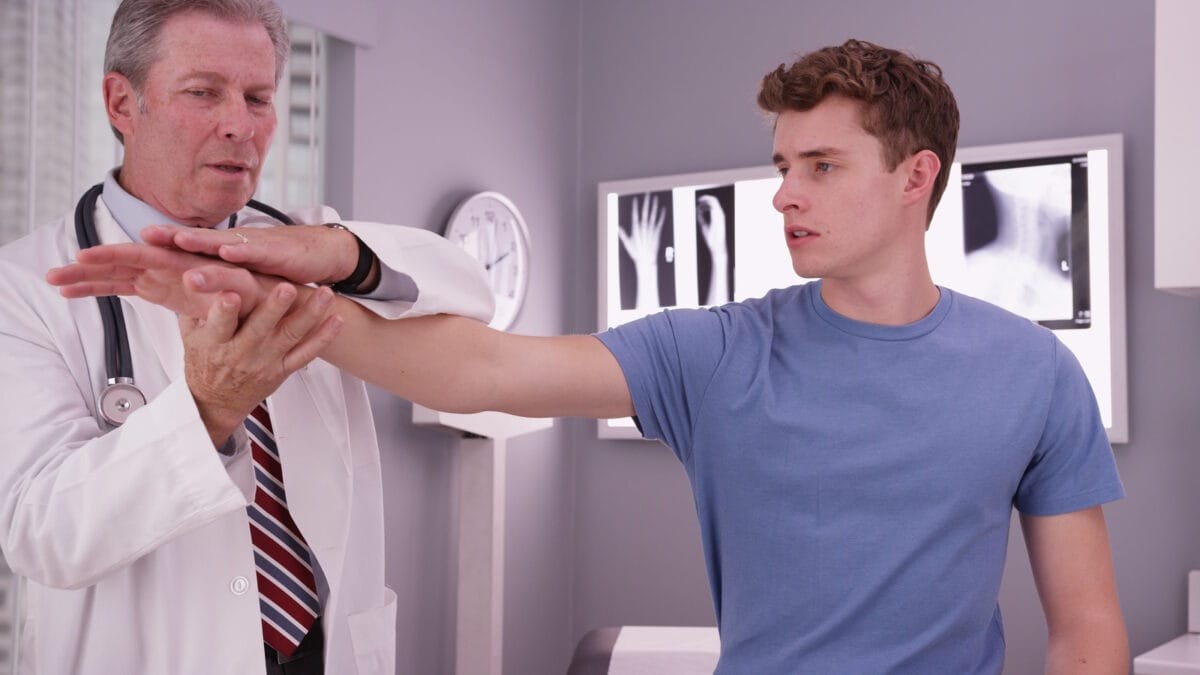
- Assessment and Diagnosis Physical therapy begins with a comprehensive assessment, including medical history, physical examination, and sometimes imaging tests. This helps in creating a personalized treatment plan tailored to the patient's specific needs and goals.
- Pain Management Physical therapists employ various non-pharmacological methods to manage pain, such as:
- Thermal modalities: Use of heat or cold packs.
- Manual therapy: Techniques to manipulate muscles and joints.
- Electrotherapy: Use of electrical currents to reduce pain and inflammation?
- Restoring Mobility and Function Key techniques include:
- Range-of-motion exercises: To improve joint flexibility.
- Strengthening exercises: To rebuild muscle strength.
- Functional training: To restore everyday activities and occupational tasks? ?.
- Preventing Future Injuries Education on proper body mechanics, posture, and ergonomics is integral. Physical therapists teach patients how to perform daily activities safely to avoid re-injury.
Effective Treatments in Physical Therapy
- ExercisesExercises are customized to target the injured area, gradually increasing in intensity. Common exercises include:
- Stretching: To enhance flexibility.
- Strength training: Using weights or resistance bands.
- Aerobic conditioning: Low-impact activities like cycling or swimming to improve overall fitness?.
- Manual Therapy This hands-on approach involves techniques such as massage and joint mobilization to reduce pain and improve movement.
- Education and Self-Management Patients learn about their condition, the recovery process, and self-care strategies. This education empowers them to manage their symptoms and prevent further injuries independently?.