TraumaPatient education
The Importance of Rest in Recovering from Arm Injuries
When recovering from an arm injury, whether due to a fracture, sprain, or repetitive strain, rest plays a crucial role. While medical interventions such as physical therapy and surgery are often necessary, rest allows the body to heal naturally and effectively.
Published
19 September 2024
Reading time
3 min
Words
679
Sections
4
When recovering from an arm injury, whether due to a fracture, sprain, or repetitive strain, rest plays a crucial role. While medical interventions such as physical therapy and surgery are often necessary, rest allows the body to heal naturally and effectively. The healing process requires time for tissues to repair, inflammation to subside, and the body to restore strength and functionality.
Why Rest is Critical for Recovery
- Tissue Repair and Regeneration During physical activity or injury, microscopic damage occurs in the muscles, ligaments, and tendons. Rest is necessary to allow these tissues to repair and grow stronger. Without adequate rest, overuse of the injured arm can lead to further damage, increasing the recovery time.
- Inflammation Reduction After an injury, the body initiates an inflammatory response to begin healing. This process includes swelling and pain, which are natural reactions. Resting the injured arm helps the body manage inflammation, reducing the risk of developing chronic conditions like tendinitis or bursitis.
- Energy Conservation The body uses energy to repair damaged tissues and support immune functions during recovery. Engaging in strenuous activities while injured forces the body to divert energy away from healing. By resting, you ensure that your body has the resources it needs to focus on recovery.
- Avoiding Complications Ignoring the need for rest can lead to complications like overuse injuries, stress fractures, or chronic pain. Prolonged stress on an injured arm can result in conditions that are harder to treat, such as nerve damage or tendinopathy, extending recovery times significantly.
Rest Strategies for Different Arm Injuries
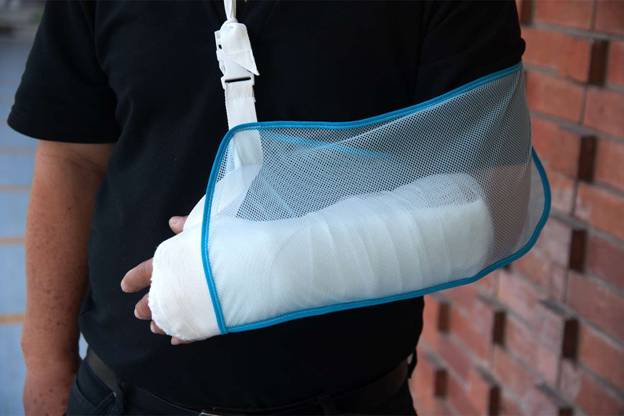
- Fractures Resting after a bone fracture is vital to ensure proper alignment and healing. Immobilization in a cast or brace is often required for several weeks. During this time, the body creates new bone tissue to fuse the fracture site.
- Tendon and Muscle Strains For tendons and muscles, rest combined with gentle stretching can promote healing. Avoiding activities that aggravate the injury is crucial to prevent re-injury or the development of chronic conditions.
- Joint Injuries Rest is essential for joint injuries, such as dislocations or sprains, to prevent instability and promote healing. Physical therapy can be introduced after the initial rest period to regain range of motion and strength, but rest is the foundation for a successful recovery.
Frequently Asked Questions
-
How long should I rest after an arm injury?
-
Is active recovery better than complete rest?
-
What happens if I don't rest properly after an arm injury?
-
Can I do any exercises during the rest period?
-
How can I speed up recovery while resting?