TraumaPatient education
Preventing and Treating Osteoporosis: A Guide to Stronger Bones
Osteoporosis Prevention The Goal of Osteoporosis Prevention Preventing osteoporosis focuses on slowing the loss of bone strength over time, reducing the risk of fractures. This can be achieved through targeted exercises, lifestyle adjustments, and, when necessary,…
Published
5 December 2024
Reading time
3 min
Words
667
Sections
2
Osteoporosis Prevention
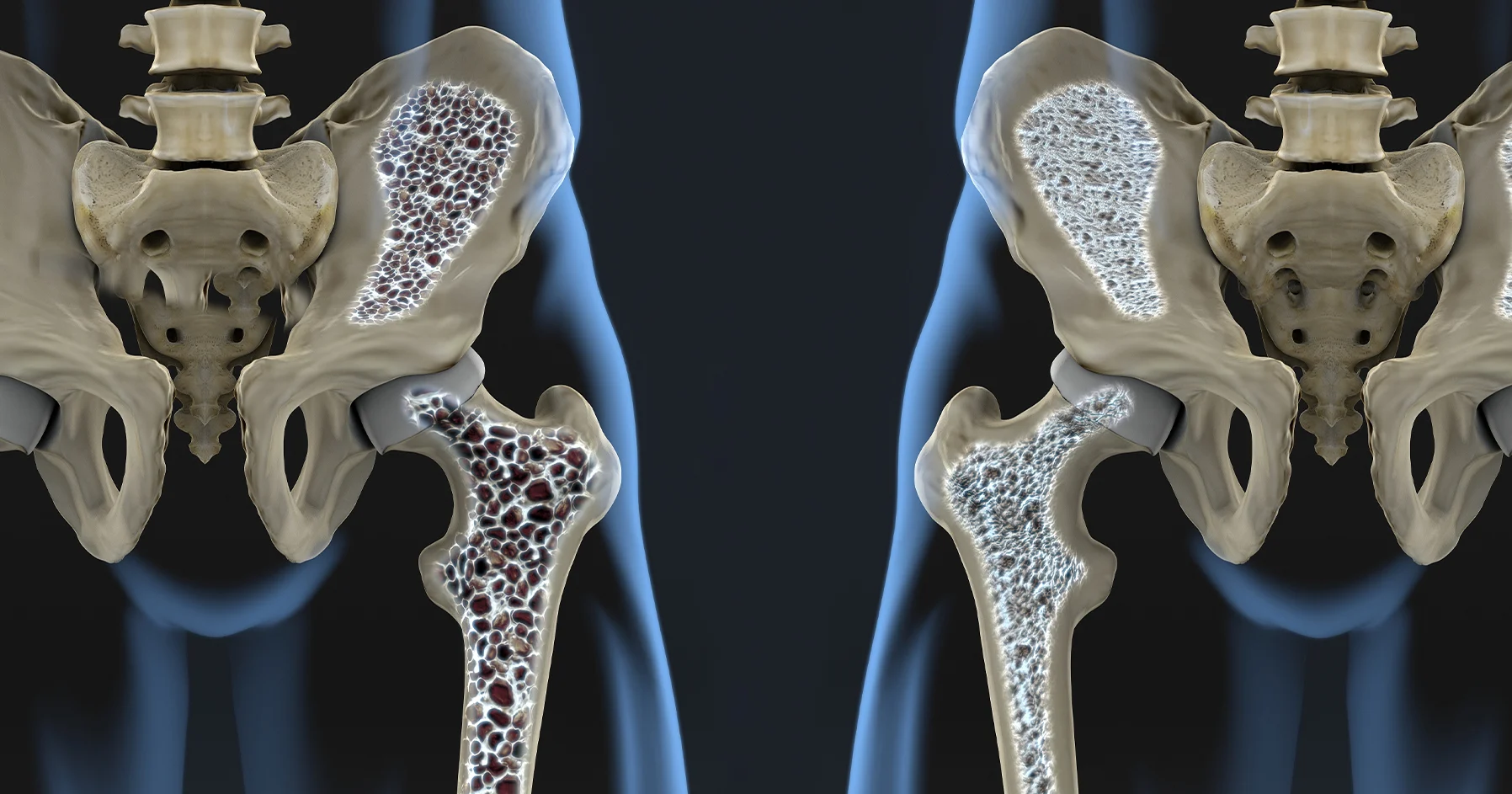
The Goal of Osteoporosis Prevention
Preventing osteoporosis focuses on slowing the loss of bone strength over time, reducing the risk of fractures. This can be achieved through targeted exercises, lifestyle adjustments, and, when necessary, bone-strengthening medications. Enhancing muscle strength and improving balance also play a key role in preventing falls that may lead to fractures and long-term disability.The Importance of Exercise
Weightbearing exercises are particularly effective for osteoporosis prevention. These activities make your body support its own weight against gravity, stimulating bone cells to strengthen weaker areas. This is why astronauts, who experience low-gravity environments, often suffer from bone loss. Regular weightbearing exercises not only help maintain bone density after young adulthood but also improve muscle strength and lower the risk of falls.Recommended Exercises for Osteoporosis and Osteopenia
If you have osteoporosis or low bone mass (osteopenia), consider incorporating these weightbearing exercises into your routine:- Walking: On level ground or a treadmill.
- Hiking: Use a walking stick for additional support if needed.
- Balance Walking: Walk in place in a secure area, using a chair for stability if necessary.
- Running: On flat surfaces or a treadmill.
- Climbing Stairs: Hold the handrails for safety.
- Dancing: Aerobics, Zumba, or similar activities.
- Strength Training: Lift weights carefully, avoiding strain on your back. Lying down while lifting can protect vertebrae.
- Sit-to-Stand Exercises: Start with a higher seat and gradually move to a lower one as your leg strength improves.
- Wall Slides: Slide into a slight knee bend against a wall, hold for 10 seconds, and repeat. Use a chair for balance if needed.
- Yoga and Tai Chi: Focus on balance and strengthening.
- Chair Jumps: Gently jump with both feet while holding onto a chair for balance.
Osteoporosis Prevention and Treatment
Lifestyle Changes for Preventing Osteoporosis
- Quit Smoking
Smoking accelerates bone loss by:
- Reducing bone formation through its effects on bone cells.
- Interfering with nutrient absorption by suppressing appetite.
- Affecting estrogen metabolism, which can lead to earlier menopause.
- Slowing fracture healing.
- Limit Alcohol Consumption
- Excessive alcohol increases the risk of falls and fractures.
- Alcohol can displace healthy foods in your diet, reducing essential nutrients for strong bones.
- Prevent Falls
Loss of bone strength increases the impact of falls. To reduce fall risk:
- Engage in balance-improving exercises, such as tai chi or yoga.
- Address home hazards like slippery surfaces, loose rugs, and tripping obstacles.
- Consult a physical therapist for balance training if needed.
Osteoporosis Treatment
- Early Diagnosis Your physician can assess bone density and evaluate fracture risk using tools like a DEXA scan and the World Health Organization's fracture risk scoring system. Early treatment is the most effective way to prevent fractures.
- Medications for Osteoporosis
Medications focus on slowing bone loss, improving bone remodeling, and, in some cases, rebuilding bone. Options include:
- Bisphosphonates: Slow bone loss and improve bone quality (e.g., alendronate, risedronate, zoledronic acid).
- Selective Estrogen Receptor Modulators (SERMs): Mimic estrogen in bone tissue to improve bone density (e.g., raloxifene).
- Calcitonin: Helps regulate calcium levels and relieve pain from fractures.
- Denosumab: Reduces bone breakdown and fracture risk, administered via injection every 6 months.
- Anabolic Agents: Stimulate bone formation using synthetic parathyroid hormone (e.g., teriparatide, abaloparatide).
- Estrogen Replacement Therapy: Preserves bone mass in postmenopausal women but comes with risks like breast cancer and blood clots.