OtherPatient education
How to Use Heat and Cold Therapy for Arm Pain Relief
Heat and cold therapy are two of the most commonly used treatments for pain relief, particularly when dealing with arm pain.
Published
26 August 2024
Reading time
4 min
Words
876
Sections
7
Introduction
Heat and cold therapy are two of the most commonly used treatments for pain relief, particularly when dealing with arm pain. Both therapies offer unique benefits, and when used appropriately, they can significantly enhance recovery and reduce discomfort. This article delves into how these therapies work, their proper application, and when to use each method for optimal results.The Science Behind Heat and Cold Therapy
Heat Therapy Heat therapy works by dilating blood vessels, increasing blood flow to the affected area. This influx of blood brings oxygen and nutrients that help relax muscles, reduce stiffness, and soothe aches. It is particularly beneficial for chronic pain, such as that caused by arthritis or muscle tension. However, it should not be used in the initial stages of an injury, where swelling is present, as it can exacerbate inflammation. Cold Therapy Cold therapy, also known as cryotherapy, reduces blood flow to the affected area by constricting blood vessels. This helps decrease inflammation, swelling, and pain, especially in the acute phase of an injury. Cold therapy is ideal for new injuries, where reducing swelling and numbing the pain is the primary goal.When and How to Use Heat Therapy
Best Scenarios for Heat Therapy:- Chronic muscle pain or stiffness
- Before physical activity to warm up muscles
- Post-acute injury after swelling has reduced
- Conditions like arthritis or chronic tendonitis
- Heating Pads: Use for up to 20 minutes at a time, ensuring the pad is not too hot to avoid burns.
- Warm Towels: Soak a towel in warm water, wring it out, and apply it to the affected area.
- Hot Water Bottles: Fill with hot water (not boiling) and place it on the painful area.
- Warm Baths or Showers: Immersing the arm in warm water can relieve widespread muscle pain and stiffness.
- Always use a protective layer (like a towel) between the heat source and your skin.
- Avoid using heat therapy if you have conditions that impair sensation, like diabetes, as you may not feel burns.
When and How to Use Cold Therapy
Best Scenarios for Cold Therapy:- Acute injuries (within 48 hours of injury)
- Swelling, inflammation, and bruising
- Numb pain and reduce muscle spasms
- After physical activity to minimize inflammation
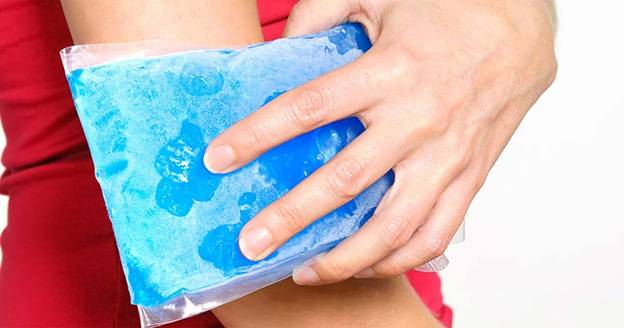
- Ice Packs: Wrap an ice pack in a cloth and apply it to the affected area for 15-20 minutes.
- Cold Towels: Dampen a towel with cold water, place it in the freezer for a few minutes, and then apply it to the skin.
- Ice Baths: Submerging the arm in an ice bath can be effective for widespread pain or swelling.
- Cold Compresses: Use a bag of frozen vegetables as a makeshift cold pack.
- Never apply ice directly to the skin to avoid frostbite.
- Limit cold therapy sessions to 20 minutes to prevent skin and nerve damage.
- Allow the skin to return to normal temperature between sessions.
Combining Heat and Cold Therapy: Contrast Therapy
What is Contrast Therapy? Contrast therapy involves alternating between heat and cold applications. This method is particularly effective for improving circulation, reducing inflammation, and easing pain from overuse injuries. How to Perform Contrast Therapy:- Begin with Cold Therapy: Apply cold for 10-15 minutes to reduce swelling.
- Switch to Heat Therapy: Apply heat for 10-15 minutes to promote blood flow and healing.
- Repeat the Cycle: Alternate between cold and heat for 2-3 cycles, always ending with cold to minimize inflammation.
- This therapy is ideal for conditions like tendonitis, sprains, and chronic muscle pain.
- Ensure that each application is followed by a brief rest period to allow the skin to recover.