OtherPatient education
How to Recognize and Treat Arm Muscle Strains
Recognizing the signs of a muscle strain early and following appropriate treatment methods can significantly speed up recovery and prevent further complications.
Published
20 September 2024
Reading time
4 min
Words
898
Sections
6
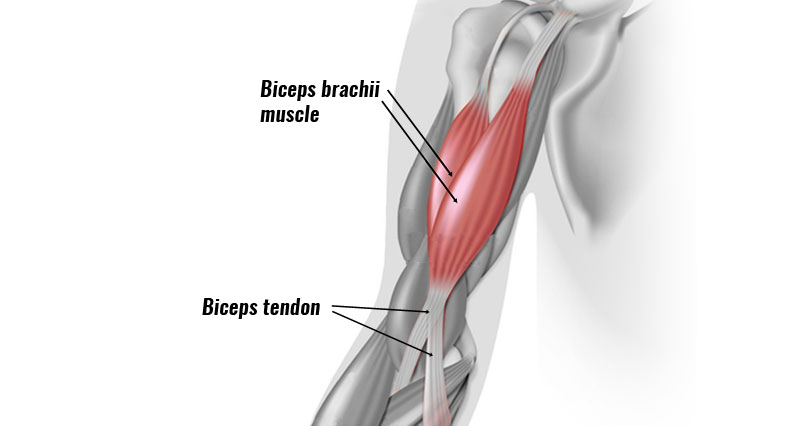
Arm muscle strains, often referred to as pulled muscles, are a common injury that occurs when a muscle or tendon is overstretched or torn. These injuries can happen during physical activities such as lifting heavy objects, sports, or even from everyday tasks. Recognizing the signs of a muscle strain early and following appropriate treatment methods can significantly speed up recovery and prevent further complications.
Recognizing Arm Muscle Strains
- Sudden Pain One of the first and most obvious symptoms of a muscle strain is a sudden sharp pain in the arm. This pain typically occurs when the muscle is engaged or stretched. For example, lifting a heavy object can result in immediate pain if the muscle fibers are overstretched.
- Swelling and Tenderness Swelling is common after a muscle strain, especially in moderate to severe cases. The affected area may become tender to the touch, and bruising may develop due to internal bleeding.
- Limited Range of Motion A strained muscle will often result in a reduced range of motion. You may find it difficult to move your arm as freely as before the injury, and certain movements may exacerbate the pain.
- Muscle Weakness In more severe cases, a muscle strain can lead to muscle weakness, making it difficult to perform even simple tasks such as lifting or holding objects. Severe strains may also cause visible deformities in the muscle.
Types and Severity of Muscle Strains
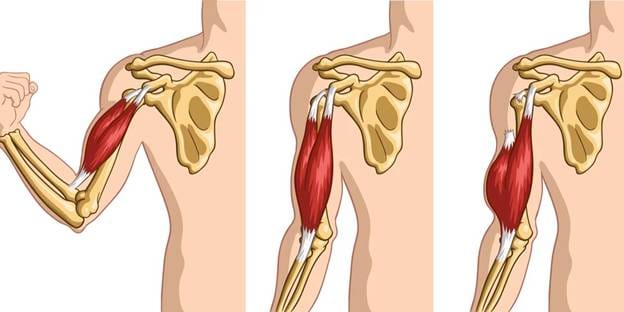
Muscle strains are categorized into three grades based on severity:- Grade I (Mild): Slight overstretching of the muscle fibers with minor discomfort and minimal impact on mobility.
- Grade II (Moderate): Partial tearing of the muscle with more noticeable pain, swelling, and some loss of strength and movement.
- Grade III (Severe): A complete tear of the muscle or tendon, often accompanied by severe pain, significant swelling, and a complete loss of muscle function. Immediate medical intervention is required.
Treating Arm Muscle Strains
- Rest and Immobilization The first step in treating a muscle strain is rest. It is important to avoid using the affected muscle to prevent further damage. Depending on the severity, you may need to immobilize the arm using a brace or sling.
- Ice Therapy Applying ice to the strained muscle for 15-20 minutes every 2-3 hours helps reduce swelling and pain. Always use a barrier, such as a cloth, between the ice and your skin to avoid frostbite.
- Compression and Elevation Wrapping the affected area with an elastic bandage can help control swelling. Ensure that the wrap is snug but not too tight to avoid cutting off circulation. Elevating the arm above heart level, particularly at night, can also assist in reducing swelling.
- Pain Management Over-the-counter pain relievers like acetaminophen or non-steroidal anti-inflammatory drugs (NSAIDs) such as ibuprofen can help manage pain and inflammation. However, avoid NSAIDs in the first 48 hours as they can increase the risk of bleeding.
- Physical Therapy and Stretching Once the initial pain and swelling have subsided, physical therapy can aid in rebuilding strength and flexibility. Gentle stretching exercises should be incorporated gradually to prevent stiffness and regain full range of motion.
- Surgical Intervention In cases of a Grade III strain where the muscle or tendon is completely torn, surgery may be necessary to repair the damage. Recovery from surgery can take several months and requires physical therapy to restore full function.
Preventing Muscle Strains
- Warm-Up Before Activity Always warm up your muscles before engaging in physical activities. Stretching and light exercise help increase blood flow to the muscles, reducing the risk of injury.
- Strength Training Regular strength training exercises for the arms can enhance muscle resilience and prevent strains. Focus on building both muscle strength and flexibility.
- Proper Technique When lifting heavy objects or performing repetitive motions, use the correct form to minimize strain on the muscles. Poor technique is a common cause of muscle injuries.
Frequently Asked Questions
-
How long does it take to recover from a muscle strain?
-
When should I see a doctor for a muscle strain?
-
Can I continue exercising with a muscle strain?
-
How can I prevent muscle strains in the future?
-
What happens if a muscle strain goes untreated?