TraumaPatient education
How to Create an Effective Rehabilitation Plan for Arm Injuries
Arm injuries, ranging from fractures to ligament tears, require a comprehensive rehabilitation plan to ensure full recovery and the prevention of further complications.
Published
27 August 2024
Reading time
5 min
Words
1,069
Sections
9
Introduction
Arm injuries, ranging from fractures to ligament tears, require a comprehensive rehabilitation plan to ensure full recovery and the prevention of further complications. Creating an effective rehabilitation plan is crucial for restoring strength, mobility, and function to the injured arm. This guide will provide an in-depth look at the essential components of a rehabilitation plan, strategies for optimizing recovery, and answers to frequently asked questions about arm injury rehabilitation.-
Understanding the Injury
- Fractures: Involve a break in the bone and often require immobilization followed by a gradual reintroduction of movement.
- Dislocations: Occur when a bone slips out of its joint, requiring repositioning and stabilization.
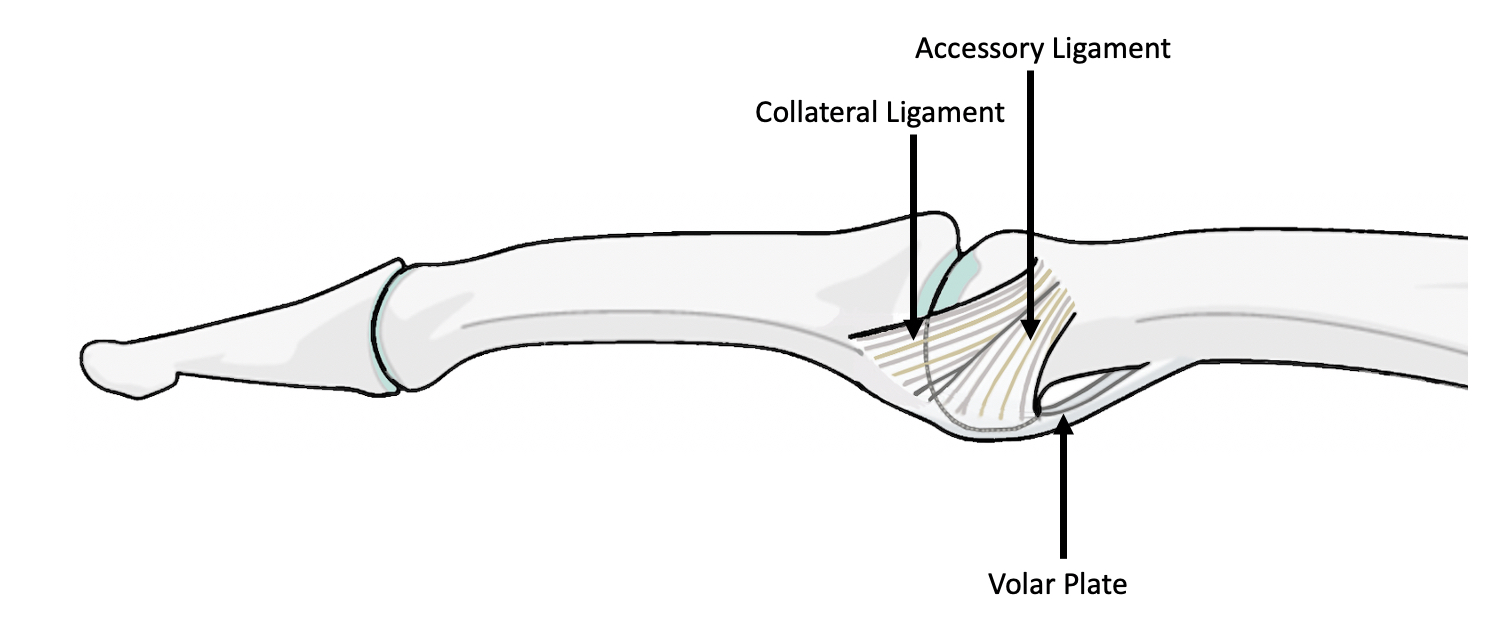
- Tendon and Ligament Injuries: Such as tendonitis or ligament tears, often require rest, followed by gradual strengthening exercises.
-
Setting Realistic Goals
- Short-term goals: These might include reducing pain and swelling, improving basic mobility, and preventing further injury.
- Long-term goals: These could focus on restoring full function, strength, and flexibility, as well as preventing re-injury.
-
Components of a Rehabilitation Plan
3.1. Pain Management
Effective pain management is crucial in the early stages of rehabilitation to allow the patient to participate in exercises and activities that will aid in recovery. This can include:- Medications: NSAIDs or acetaminophen to reduce pain and inflammation.
- Physical Therapies: Ice therapy, heat application, and manual therapy can help alleviate pain.
- Modalities: Techniques like TENS (Transcutaneous Electrical Nerve Stimulation) may also be used to manage pain.
3.2. Rest and Immobilization
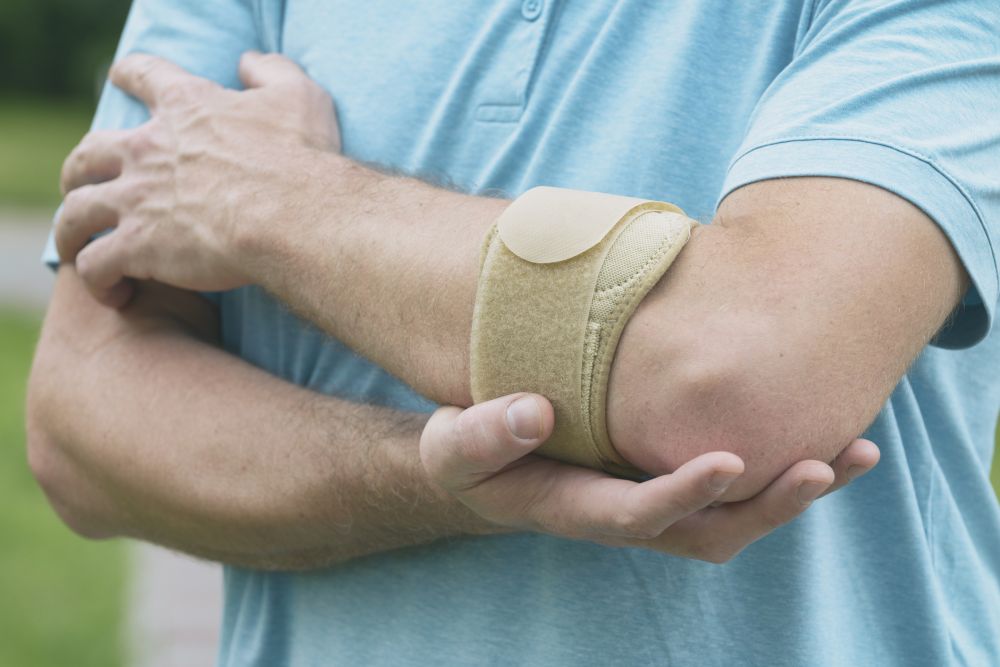
Initial rest is necessary to allow the injury to heal, particularly in cases of fractures or severe ligament injuries. Immobilization devices like slings, braces, or casts may be used to stabilize the injury.3.3. Gradual Mobilization
Once the initial healing has occurred, gradually reintroducing movement is critical. This phase involves:- Range of Motion Exercises: Gentle exercises to restore the normal movement of the arm without straining the injury.
- Stretching: To improve flexibility and prevent stiffness.
3.4. Strengthening Exercises
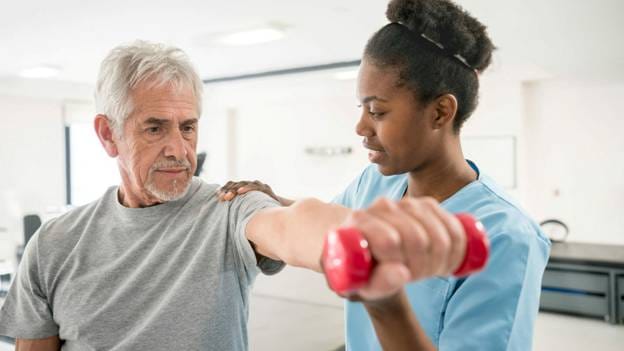
As the arm heals, strengthening exercises become a vital part of the rehabilitation plan. These exercises help rebuild muscle mass, enhance joint stability, and prevent future injuries.- Isometric Exercises: Start with these exercises to strengthen muscles without joint movement.
- Progressive Resistance Training: Gradually increase the resistance and complexity of exercises as strength improves.
3.5. Functional Training
Functional training focuses on restoring the ability to perform everyday tasks and specific activities related to the patient's lifestyle or occupation. This may include:- Task-Specific Exercises: Activities that mimic daily tasks, such as lifting, pushing, or pulling.
- Balance and Coordination Training: To ensure the arm functions well in various positions and during complex movements.
3.6. Monitoring Progress
Regular assessments are necessary to monitor the patient's progress and adjust the rehabilitation plan as needed. This can include:- Periodic Evaluations: Assessing pain levels, range of motion, and strength.
- Adjusting Goals: Modifying goals based on the patient's progress and challenges.
-
Incorporating Technology and Advanced Therapies
- Wearable Devices: These can track the range of motion, strength, and even adherence to the rehabilitation exercises, providing valuable data to both the patient and therapist.
- Virtual Reality: VR can be used to simulate real-life scenarios that require the use of the injured arm, thereby improving functional recovery.
-
Overcoming Common Challenges
- Effective Pain Management: Continuing with pain relief strategies and adjusting them as needed.
- Motivational Support: Encouraging the patient and providing psychological support to maintain motivation throughout the rehabilitation process.
- Patient Education: Ensuring that the patient understands the importance of adherence to the rehabilitation plan.
-
Tailoring the Rehabilitation Plan
- Age and General Health: Younger, healthier individuals may recover more quickly and can tolerate more intense rehabilitation.
- Type and Severity of Injury: Severe injuries may require a longer period of rest and a more gradual progression in exercises.
- Patient's Lifestyle and Goals: Athletes may require a more aggressive rehabilitation plan focused on returning to sports.
-
Frequently Asked Questions
Q1: How long does rehabilitation for arm injuries typically take?
- A: The duration of rehabilitation varies depending on the severity of the injury, the type of injury, and the individual's response to treatment. It can range from a few weeks to several months.
Q2: Can I start rehabilitation exercises on my own?
- A: It's important to consult with a healthcare provider or physiotherapist before starting any exercises to ensure they are appropriate for your specific injury.
Q3: What should I do if I experience increased pain during rehabilitation?
- A: If pain increases significantly, it's important to stop the activity and consult your physiotherapist. It may indicate that the exercise is too strenuous or that the injury has not healed sufficiently.
Q4: Are there risks associated with rehabilitation exercises?
- A: While rehabilitation exercises are generally safe, performing exercises incorrectly or progressing too quickly can lead to setbacks or further injury. Professional guidance is essential.
Q5: How can I stay motivated during a long rehabilitation process?
- A: Setting realistic goals, tracking progress, and having regular check-ins with your physiotherapist can help maintain motivation. Involving family or friends in your recovery process can also provide support.