OtherPatient education
Common Causes of Arm Numbness and Tingling
Arm numbness and tingling are sensations that nearly everyone experiences at some point. These symptoms, medically known as paresthesia, can range from mildly annoying to severely debilitating
Published
10 August 2024
Reading time
5 min
Words
1,031
Sections
5

Introduction
Arm numbness and tingling are sensations that nearly everyone experiences at some point. These symptoms, medically known as paresthesia, can range from mildly annoying to severely debilitating, depending on their cause and duration. While temporary numbness can occur from pressure on the nerves (such as sleeping on your arm), persistent or recurrent symptoms may indicate an underlying health issue that requires medical attention. This article explores the various causes, symptoms, diagnostic methods, and treatments associated with arm numbness and tingling.Anatomy of the Arm
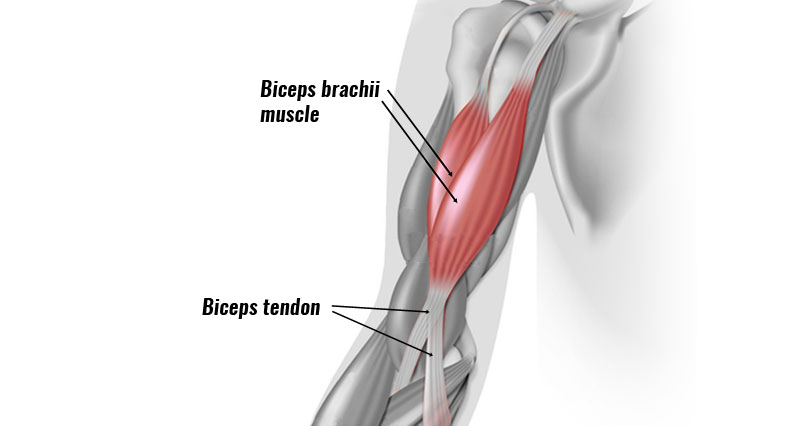
Understanding the causes of arm numbness and tingling starts with an overview of the arm's anatomy. The arm consists of bones, muscles, blood vessels, and nerves. The primary nerves responsible for sensation in the arm are the median, ulnar, and radial nerves. These nerves can be compressed or damaged at various points, leading to sensory disturbances.Common Causes of Arm Numbness and Tingling
-
Peripheral Neuropathy
- Diabetes: One of the most common causes, diabetic neuropathy, affects more than half of all diabetes patients.
- Autoimmune Diseases: Conditions like lupus, rheumatoid arthritis, and Guillain-Barre syndrome can lead to neuropathy.
- Infections: Viral or bacterial infections such as Lyme disease, shingles, and HIV can cause nerve damage.
- Toxins: Heavy metals like lead and mercury, as well as certain chemotherapy drugs, can be toxic to nerves.
-
Cervical Radiculopathy
- Herniated Discs: Discs that have ruptured or bulged can press on nerve roots.
- Degenerative Disc Disease: Age-related changes in the spine can narrow the spaces where nerves exit.
- Trauma: Injuries from accidents or sports can damage the cervical spine.
-
Carpal Tunnel Syndrome
-
Cubital Tunnel Syndrome
-
Thoracic Outlet Syndrome
-
Vascular Issues
- Peripheral Vascular Disease: Narrowing of blood vessels can reduce blood flow.
- Blood Clots: A clot in the arm can block circulation, leading to numbness and swelling.
-
Autoimmune Diseases
-
Medication Side Effects
-
Injuries and Trauma
Symptoms and Diagnosis
The symptoms of arm numbness and tingling can vary depending on the underlying cause. Common symptoms include:- Persistent or intermittent tingling or "pins and needles"
- Numbness in the arm, hand, or fingers
- Weakness in the affected arm
- Pain or discomfort, especially with movement
- Swelling or changes in skin color
- Electromyography (EMG): Measures the electrical activity of muscles.
- Nerve Conduction Studies: Assess how well nerves transmit signals.
- Imaging Studies: X-rays, MRIs, or CT scans can identify structural issues.
- Blood Tests: Can detect underlying conditions like diabetes or infections.
-
Medications
- Pain Relievers: Over-the-counter or prescription medications can help manage pain.
- Anti-inflammatory Drugs: Reduce inflammation that may be compressing nerves.
- Medications for Neuropathy: Drugs like gabapentin or pregabalin can relieve nerve pain.
-
Physical Therapy
-
Surgery
-
Lifestyle Changes
- Ergonomic Adjustments: Modifying workspaces to reduce strain on the arms and wrists.
- Exercise: Regular physical activity can improve overall health and reduce the risk of conditions like diabetes.
- Diet: Eating a balanced diet rich in vitamins and minerals that support nerve health.